What is havc duct leakage?
Definition and Importance
HVAC duct leakage refers to the loss of conditioned air within the ductwork system of heating, ventilation, and air conditioning (HVAC) systems. When ducts develop leaks or gaps, the air intended for heating or cooling can escape, leading to inefficiencies that compromise the system’s performance. Understanding havc duct leakage is crucial for maintaining energy efficiency and ensuring optimal indoor comfort.
Common Causes of Duct Leakage
Duct leakage can stem from various factors, including:
- Age of the System: As HVAC systems age, duct materials may weaken, leading to cracks and gaps.
- Poor Initial Installation: Improperly sealed or fitted ducts at installation can predispose them to leakage over time.
- Cumulative Damage: Frequent use, along with wear and tear from temperature changes, can cause joints to loosen or materials to degrade.
- Pest Infestations: Rodents or insects can chew through duct materials, creating unintentional entry points.
Impact on Indoor Air Quality
Leakage in HVAC ducts can significantly affect indoor air quality (IAQ). When conditioned air escapes through leaks, it reduces the amount of clean air circulated in the space. This not only makes it harder to maintain the desired temperature but can also lead to the infiltration of unfiltered air, dust, and contaminants, aggravating allergies and respiratory issues.
Signs of havc duct leakage
Decreased Energy Efficiency
One of the first signs of duct leakage is a noticeable increase in energy bills. When your HVAC system operates inefficiently due to lost conditioned air, it works harder to reach the set temperature, consuming more energy in the process. If your bills rise unexpectedly, it may indicate that your ducts are compromised.
Visible Signs and Symptoms
In addition to soaring energy costs, homeowners can look for visual cues of duct leakage:
- Inconsistent Room Temperatures: Some areas of your home may feel warm while others are too cool.
- Whistling or Hissing Sounds: Unusual noises from vents may signal escaping air.
- Dust Accumulation: Increased dust around supply vents can suggest that unfiltered air is re-entering through leaks.
Professional vs. DIY Detection
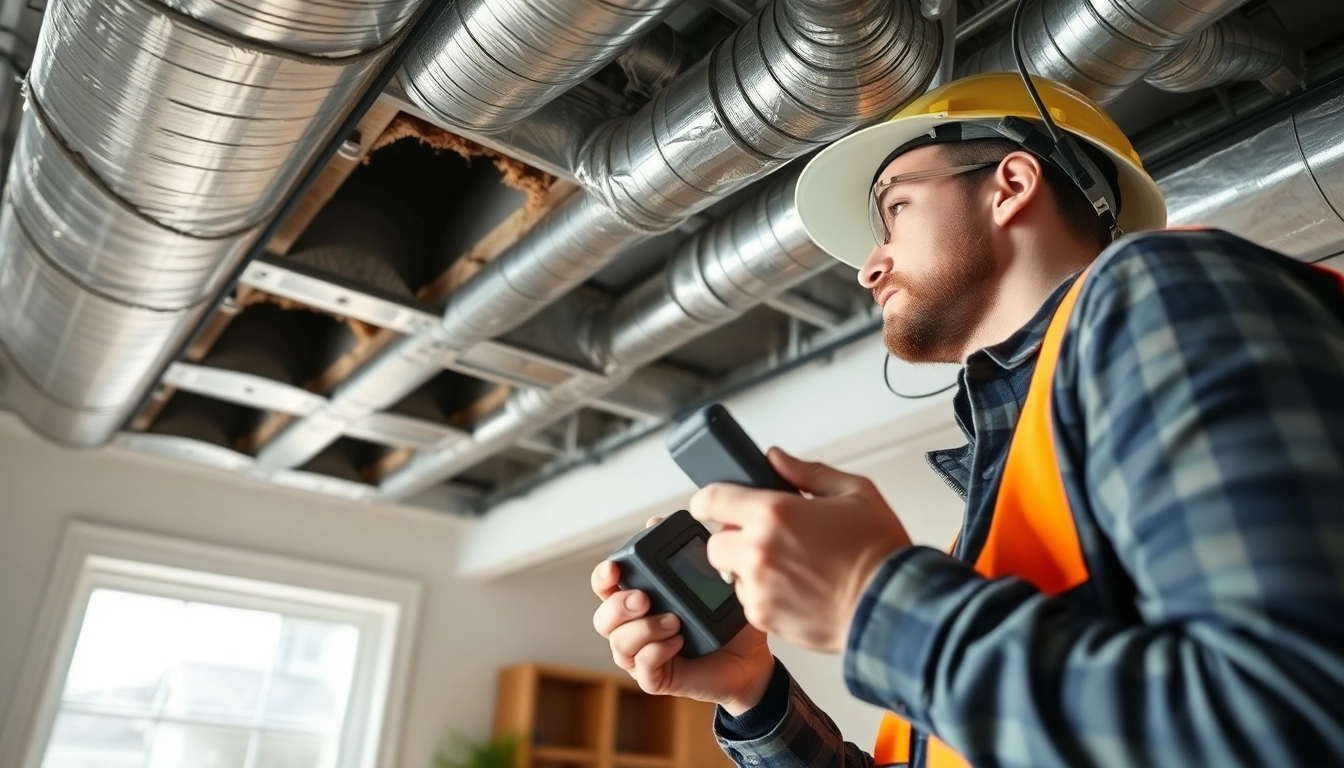
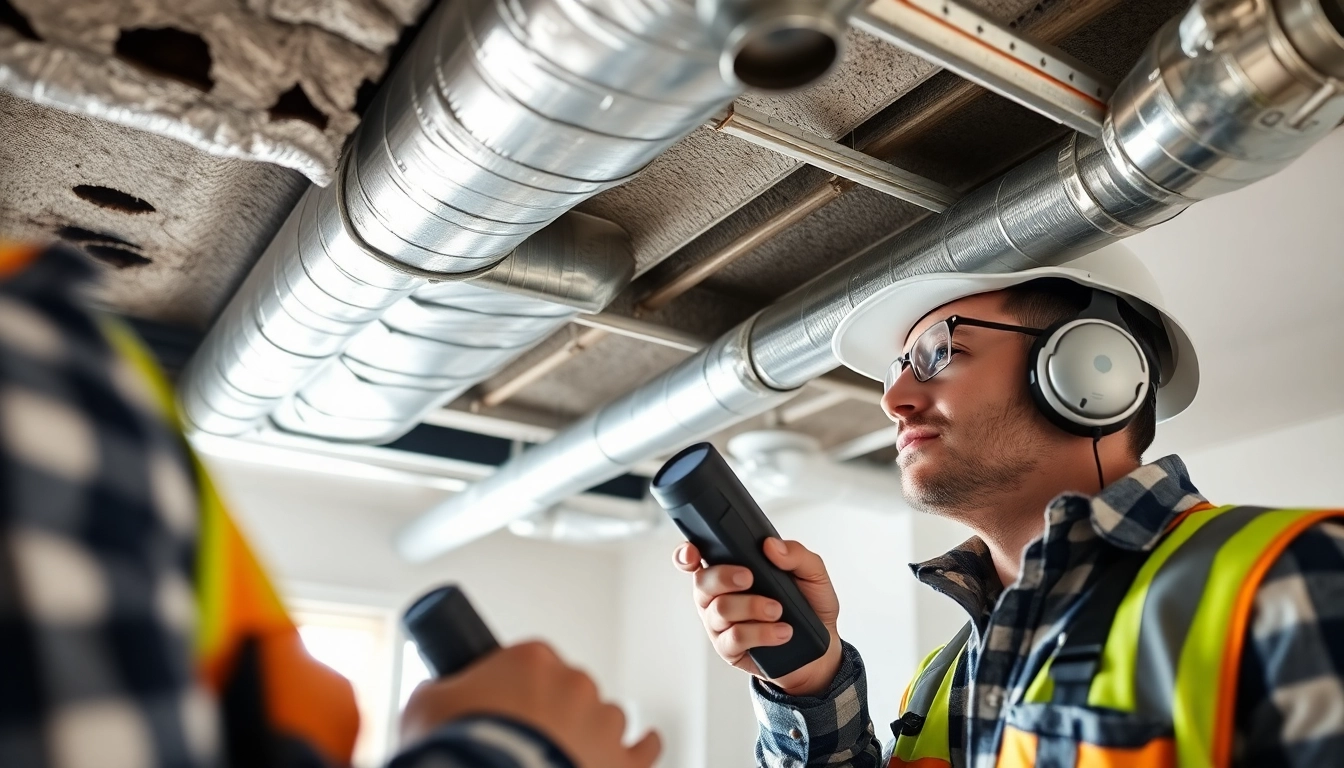
While some signs of duct leakage may be detectable through casual observation, professional testing often provides a more accurate assessment. Techniques used by specialists include pressure testing, infrared imaging, and smoke testing, ensuring precision and reliability in detecting leaks.
How to test for havc duct leakage
Overview of Testing Methods
There are several methods to test for duct leakage, each with its advantages:
- Pressure Testing: This involves pressurizing the duct system and measuring air loss.
- Infrared Thermography: Infrared cameras can detect temperature differences, revealing leaks.
- Smoke Testing: Smoke is introduced into the system, highlighting areas where it escapes.
Tools Required for Testing
Common tools used in duct leakage testing include:
- Pressure gauges for assessing airflow
- Infrared cameras for thermal imaging
- Smoke tubes for visual detection
- Leak detection pumps for measurement evaluations
Interpreting Test Results
Once testing is complete, results will often be reported in terms of cubic feet per minute (CFM) leakage. The data helps identify which areas of the ductwork require sealing or repair. Understanding the reported figures relative to industry standards is vital for determining the need for further action to resolve leakage issues.
Solutions for havc duct leakage
Sealing Techniques
Once leakage is confirmed, several sealing techniques can be employed:
- F sealing: A sealant designed for HVAC systems can be applied near joints and leaks.
- Foil Tape: High-tack foil tape can be used for flexible ducts and duct board seams.
- Mechanical Fasteners: Use screws or rivets to secure loose connections effectively.
Recommendations for Maintenance
Preventative maintenance is key to keeping ducts sealed and efficient. Regular inspections should be conducted, ideally every few years or whenever renovations might disturb ductwork. Additionally, regular filter changes and system cleaning enhance airflow efficiency.
When to Call a Professional
If leakage issues are identified but cannot be resolved independently or if your duct system requires extensive repairs, consult a professional. They can offer comprehensive inspections, advanced sealing methods, and guarantee proper functionality of your HVAC system post-repair.
FAQs about havc duct leakage
What are the signs of duct leakage?
Common signs include inconsistent room temperatures, increased energy bills, and whistling noises from vents.
How can I test for duct leakage?
Homeowners can conduct simple smoke tests or hire professionals for more thorough assessments and precise testing methods.
What are the costs associated with repairing duct leakage?
Repair costs vary significantly but typically range from $200 to $1,500 depending on the extent of the leakage and repair methods required.
Is duct leakage dangerous?
Yes, duct leakage can lead to poor indoor air quality, increased energy consumption, and discomfort within your living spaces.
Can I seal duct leaks myself?
Yes, minor leaks can often be sealed using duct sealant or foil tape. Larger or complex issues should be handled by professionals.