Understanding Electric Convector Heaters
As temperatures drop, finding an effective heating solution becomes a top priority for many homeowners. Electric convector heaters offer an efficient and versatile way to warm individual spaces, from bedrooms to home offices. Utilizing the principles of natural convection, these heaters can provide consistent warmth without the need for extensive plumbing or complex installation. When exploring options, convector heater offer comprehensive insights into how to select the right model for your needs, making them an appealing choice for both renters and homeowners.
What Is a Convector Heater?
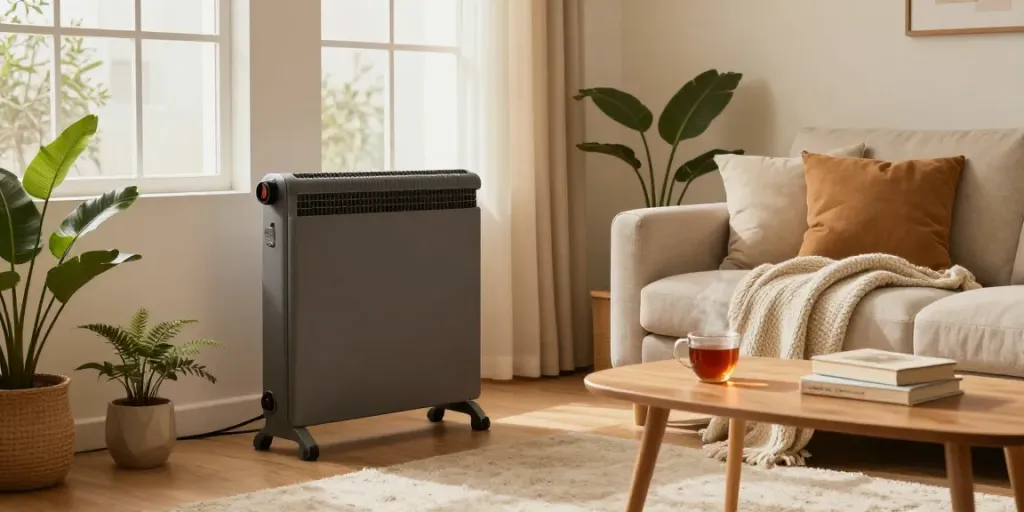
A convector heater is a type of electric heating device that utilizes the principles of convection to heat air in a room. These heaters are designed with ventilation at the bottom, which allows cool air to enter the unit, pass over a heated element, and then rise as it warms up. This cycle creates a natural flow of air that circulates throughout the space, delivering even and comfortable temperatures.
How Do Convector Heaters Operate?
Electric convector heaters work by converting electrical energy into heat via an internal heating element, often made from aluminum fins that enhance heat distribution. As cooler air enters through the lower vents, it is heated and rises through the top grille, creating a continuous cycle of air circulation. This process not only heats a room efficiently but also avoids the dry air typically forced by fan-driven heaters.
Wall-Mounted vs. Freestanding Models
Choosing between wall-mounted and freestanding models depends on your specific needs and space constraints. Wall-mounted heaters save floor space and are ideal for rooms that are frequently used, such as bedrooms or living rooms. Freestanding models, on the other hand, offer the flexibility to move from room to room, making them a great option for renters or those who need additional heating on an as-needed basis.
Benefits of Using a Convector Heater
Energy Efficiency and Cost Savings
One of the standout features of electric convector heaters is their energy efficiency. These devices typically operate at nearly 100% efficiency, converting all electrical energy consumed into heat. Additionally, modern convector heaters often come equipped with smart thermostats and timers that further enhance their efficiency, enabling users to program heating schedules and reduce unnecessary energy consumption.
Space-Saving Designs
Electric convector heaters are often designed with minimal footprints, allowing them to fit seamlessly into any room layout. Wall-mounted options save valuable floor space, making them an excellent choice for smaller rooms. Freestanding units can be easily relocated based on your heating needs, providing unmatched flexibility.
Flexible Heating Options for Different Rooms
Convector heaters are ideal for a variety of settings, from home offices that require occasional heating to bedrooms needing a quick warm-up before bedtime. They can also be effective as supplementary heating solutions in areas where central heating systems cannot reach or are less efficient.
Choosing the Right Convector Heater for Your Space
Determining the Appropriate Wattage
When selecting an electric convector heater, understanding the appropriate wattage for your room size is crucial. A standard guideline is that you need approximately 100 watts per square meter for effective heating. Therefore, a room measuring 20 square meters would require a heater rated at around 2000 watts. This ensures that the heater can adequately warm the space without excessive energy consumption.
Key Features to Look For
When shopping for a convector heater, consider features such as:
- Programmable Thermostats: These allow you to set specific heating schedules, reducing waste and lowering energy bills.
- Safety Features: Look for heaters equipped with overheat protection and tip-over safety switches to ensure safe operation.
- Wi-Fi Connectivity: Smart heaters offer remote monitoring and control via smartphone apps, enhancing convenience.
Comparing Models and Brands
Not all convector heaters are created equal. It's essential to compare models based on their wattage, features, and reviews from other users. Opt for reputable brands known for reliability and customer service support. Investing in a quality product will ensure long-term satisfaction and efficient heating.
Installation and Safety Considerations
Proper Placement and Clearances
Correct installation and placement of your convector heater are vital for both efficiency and safety. Follow manufacturer guidelines for clearances, ensuring that at least 50 cm of space is available in front and 30 cm above the unit. Avoid placing heaters behind furniture or curtains that could obstruct airflow.
Electrical Safety Tips
Electric convector heaters typically draw significant power, ranging from 1500 to 2500 watts. Always plug them directly into a wall socket rather than using extension cords or adapters to minimize the risk of electrical fires. Ensure that the electrical circuit can handle the load without tripping.
Bathroom Use Regulations
If you plan to use a convector heater in a bathroom, it’s crucial to check its Ingress Protection (IP) rating. Ensure that it meets minimum standards for splash resistance, typically at least IP24, to avoid electrical hazards in wet environments.
Convector Heaters vs. Other Heating Solutions
Comparison with Oil-Filled Radiators
While both convector heaters and oil-filled radiators provide effective heating, their methods of operation differ. Oil-filled radiators heat oil that remains warm, providing a consistent level of heat over a longer period, while convector heaters warm air directly and are often quicker to heat a room. Consider your heating needs and preferences when deciding between the two.
Advantages Over Fan Heaters
Fan heaters can be effective for quick heating but often produce dry air and can be noisy. In contrast, convector heaters operate silently and maintain humidity levels, making them more suitable for bedrooms or quiet spaces. They also offer efficient heat distribution without the wind chill effect common with fan-driven units.
Is a Convector Heater Enough for Whole House Heating?
While a convector heater can effectively heat individual rooms, relying on one for complete house heating may not be efficient. For optimal performance, consider using convector heaters in conjunction with central heating systems or as supplementary heaters in specific spaces. Their capacity to warm individual zones makes them ideal for targeted heating solutions.
How Do Convector Heaters Affect Energy Consumption?
The energy consumption of convector heaters can vary widely based on several factors, including wattage, room size, and insulation quality. It's essential to use a heater that matches your space to prevent overworking the unit and incurring high electricity bills. With features like programmable timers and smart thermostats, users can optimize usage patterns for better energy management.
Future Trends in Heating Technology
As technology evolves, we can expect advancements in electric heating solutions, including improved energy efficiency, smarter home integration, and enhanced safety features. Innovations like predictive heating based on usage patterns and alternative energy sources may become more prevalent, making electric convector heaters an even more attractive option for contemporary homes.
Expert Tips for Optimal Use
To maximize the efficiency of your electric convector heater:
- Set the thermostat to a comfortable temperature between 18°C and 21°C to minimize energy consumption.
- Insulate rooms effectively, reducing heat loss through windows and doors, which can help the heater maintain warmth.
- Use a programmable timer to ensure the heater operates only when needed, avoiding unnecessary energy costs.
FAQs about Convector Heaters
How much electricity does a convector heater consume?
The electricity consumed by a convector heater can be calculated using the formula: Electricity used (kWh) = Heater power (kW) × Running time (hours). For example, a 2000W heater running for three hours would consume 6 kWh.
What are the disadvantages of a convector heater?
Disadvantages may include the potential for slower heating in very large spaces and reliance on electrical energy, which can lead to higher running costs depending on local electricity rates.
Which is better: a fan heater or a convector heater?
Fan heaters are less efficient for continuous use due to noise and dryness, while convector heaters provide silent, consistent warmth and better air quality, making them generally preferable for long-term heating.
Can a convector heater heat a large room adequately?
Yes, as long as the heater is appropriately sized for the space. It’s vital to select a model with sufficient wattage to warm larger areas effectively.
What maintenance do convector heaters require?
Regular maintenance includes ensuring vents are clear of obstructions and dust accumulation. Additionally, checking electrical connections and following any specific manufacturer guidelines for care can enhance the heater's lifespan.