Understanding Backyard Landscaping Concepts
Defining Backyard Landscaping
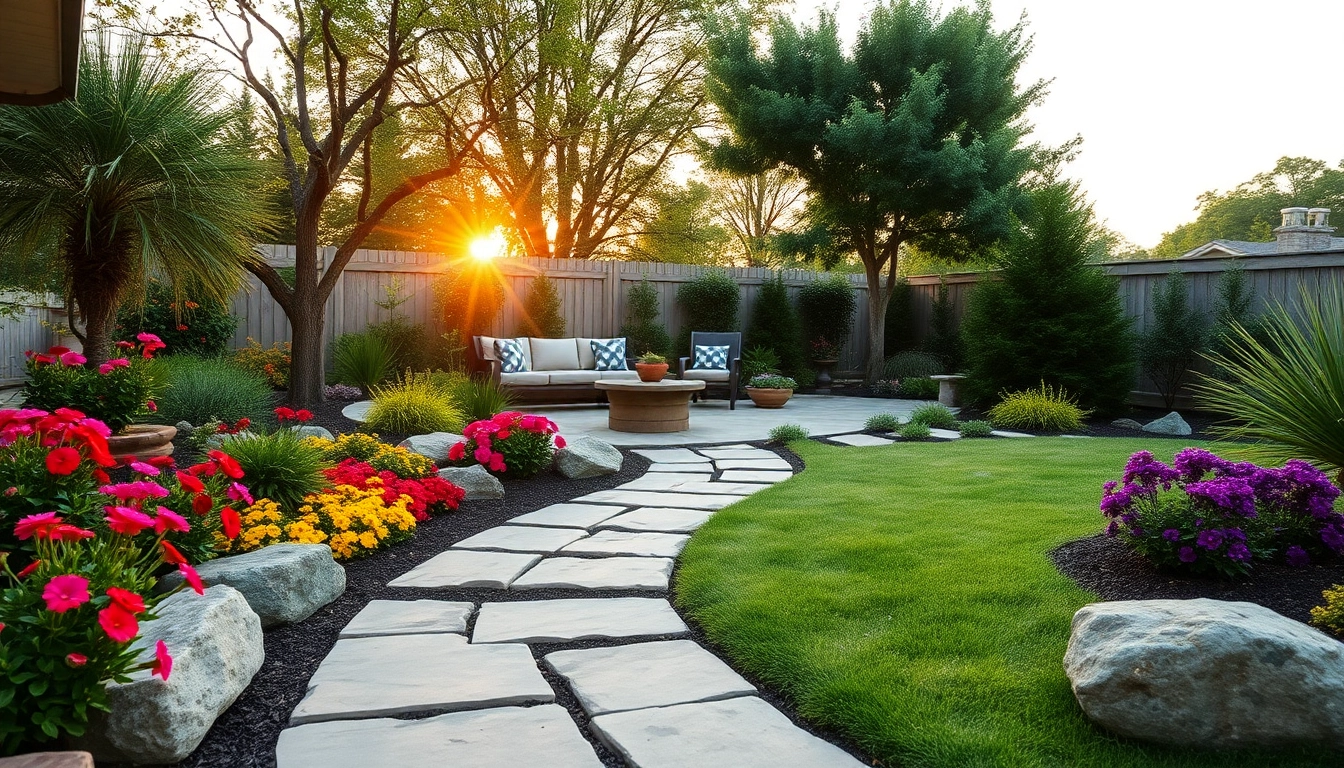
Backyard landscaping is the art and science of designing outdoor spaces to create functional and attractive environments. It encompasses various elements including plants, hardscapes, water features, and pathways. The main objective is to enhance the aesthetic appeal of your backyard while also making it a comfortable and practical area for leisure and entertainment. By focusing on elements such as layout, color, texture, and materials, homeowners can transform blank spaces into colorful, inviting outdoor living areas. One crucial aspect of backyard landscaping is recognizing how to integrate the space with the natural environment, enhancing its character. For tips and professional services regarding backyard landscaping, continue reading this guide.
The Benefits of Thoughtful Design
A well-crafted backyard landscape offers numerous advantages. Firstly, it enhances the value of your property, offering curb appeal that can make your home more attractive to potential buyers. Thoughtful design can also create additional living space, extending your home and offering areas for relaxation, dining, or play. Moreover, a carefully planned landscape can improve the overall functionality of your yard. For instance, by incorporating pathways and appropriate zones, it becomes easier to navigate. Additionally, proper landscaping can provide important benefits, such as improved privacy, reduced noise pollution, and even increased energy efficiency through strategic tree plantings that provide shade.
Exploring Landscaping Styles
Backyard landscaping styles are diverse, each offering unique visual and functional characteristics. Popular styles include:
- Modern: Features clean lines, geometric shapes, and minimalism.
- Traditional: Emphasizes symmetry and classic elements like hedges, perennial flowers, and stone pathways.
- Cottage: A more whimsical style packed with colorful flowers and informal plant arrangements.
- Sustainable: Focuses on the use of native plants and eco-friendly materials to conserve water and support local wildlife.
Choosing a landscaping style that resonates with your personal preferences and complements your home's architecture is essential for creating a cohesive look.
Budget-Friendly Backyard Landscaping Ideas
Cost-Effective Plants and Flowers
When aiming for an appealing backyard landscape on a budget, selecting the right plants is crucial. Opt for perennials instead of annuals, as they return year after year, increasing your investment over time. Native plants are also an excellent choice, as they are adapted to the local environment and often require less water and maintenance. Consider planting low-cost bulbs in the fall that bloom in the spring to ensure continual color throughout the year without breaking the bank.
DIY Projects for Every Skill Level
Many DIY projects can add significant value to your backyard landscaping. Simple ideas include creating raised garden beds using reclaimed wood or brick, which can serve as attractive planters for vegetables or flowers. Installing a stone pathway from your patio to your garden area can also enhance the design and functionality of your space. For those feeling handy, building a trellis or pergola creates an inviting shade structure while supporting climbing plants.
Maximizing Small Spaces
If your backyard is limited in size, consider vertical gardening or container gardening. These methods utilize vertical areas and small pots to grow plants without occupying too much ground space. Additionally, mirrors and reflective surfaces can create an illusion of a larger area, making your backyard feel more expansive.
Implementing Practical Landscaping Solutions
Using Hardscaping for Structure
Hardscaping refers to the non-plant elements of backyard landscaping, such as patios, paths, and walls. Properly integrated hardscaping can define areas within your backyard, enhancing both its functionality and its visual appeal. Consider installing a patio for outdoor dining or entertaining, and use pavers or gravel to create pathways that connect different zones of your space. Incorporating stone or brick retaining walls can also help level up the visual interest and functionality while preventing soil erosion.
Irrigation Systems Made Easy
Implementing an efficient irrigation system is key to maintaining the lushness of your backyard landscaping. Drip irrigation systems can be cost-effective and reduce water waste by delivering moisture directly to the plant roots. Manual watering can be supplemented with rain barrels for a sustainable approach to watering. Even simple timer systems for sprinklers can help manage your landscape professionally while saving you time.
Choosing the Right Lighting
Lighting can significantly enhance the beauty of your backyard at night. Strategically placed outdoor lighting not only showcases plants or architectural features but also adds an element of safety and security. Options include path lights, deck lighting, and spotlights to highlight focal points. Utilizing solar lights is a budget-friendly and eco-friendly option that can provide a warm ambiance while reducing electric costs.
Common Mistakes in Backyard Landscaping
Plant Placement Errors to Avoid
One common mistake in backyard landscaping is improper plant placement. Plants should be spaced correctly to allow for growth, and their light and water needs must align with their location. Additionally, consider using taller plants toward the back and shorter plants in front to create a natural layered look. Failure to account for mature sizes can lead to overcrowding and hinder the growth and health of your plants.
Ignoring Maintenance Requirements
When planning backyard landscaping, it's essential to select plants and materials that match your maintenance capabilities. High-maintenance plants may require frequent trimming or specialized care, which could deter some homeowners. Opting for low-maintenance options can provide a beautiful landscape without demanding extensive upkeep.
Overcomplicating the Design
An overly complex design can lead to confusion and may not fulfill the intended purpose of your backyard. It's important to simplify layouts by focusing on focal points and pathways rather than overcrowding the area with many competing elements. A clean and straightforward design often yields the most inviting spaces.
Staying Trends in Backyard Landscaping
Low-Maintenance Landscaping Solutions
As lifestyles become busier, low-maintenance landscaping solutions are trending. Many homeowners now prefer designs that require minimal upkeep, such as xeriscaping with drought-resistant plants or hardscapes that reduce the need for grass. Implementing these concepts can save energy, time, and resources while still creating a vibrant yard.
Incorporating Natural Elements
Incorporating natural elements into backyard landscaping is gaining popularity. Features like rock gardens, dry creeks, or rain gardens not only add beauty but also assist in managing water runoff and providing habitats for local wildlife. Using natural materials, like wood and stone, can foster a more organic feel while inviting the outdoors into your home.
Popular Design Styles in 2026
Interestingly, contemporary design styles are shifting towards comfort and retreat rather than formal aesthetics. Backyard spaces emphasizing relaxation zones, such as cozy seating areas surrounded by greenery, are becoming a favorite among homeowners. This trend reflects the growing desire for personal oasis spaces - away from the demands of modern living.
Frequently Asked Questions
1. What are some budget-friendly landscaping ideas?
Consider planting native plants, creating DIY projects like raised beds, and utilizing mulch to enhance your landscaping without significant costs.
2. How can I maximize a small backyard space?
Utilize vertical gardens, container gardening, and reflective surfaces to create the illusion of more space while still enjoying a lively garden.
3. What are the common mistakes in backyard landscaping?
Common mistakes include improper plant placement, selecting high-maintenance plants, and creating overly complicated designs that clutter the space.
4. How do I choose the right plants for my backyard?
Select plants based on your climate, sunlight availability, desired maintenance level, and how they will fit together in your overall design.
5. What are the benefits of hardscaping in landscaping?
Hardscaping provides structure, defines spaces, enhances visual appeal, and can minimize soil erosion while complementing plants and natural elements.