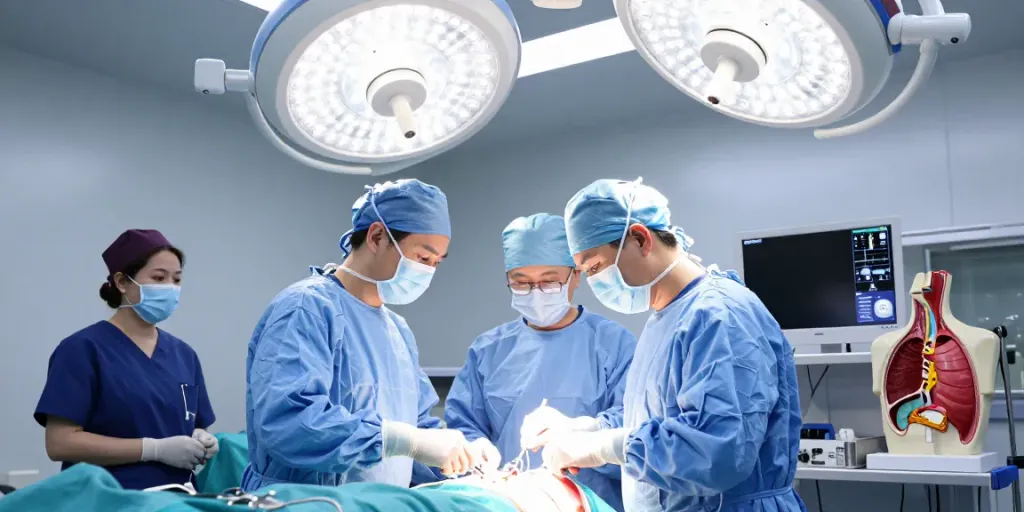
Understanding Hair Transplant Procedures
As the quest for youthful appearance and fuller hair continues, many individuals are turning to hair restoration solutions. Among the most popular and effective methods available today is Hair Transplant, a surgical procedure designed to reposition existing hair follicles and stimulate new growth in thinning or balding areas. This article delves into the various aspects of hair transplants, including the techniques employed, the candidacy for surgery, and the cost considerations that prospective patients should keep in mind. In Malaysia, clinics like GLOJAS Specialist Clinic offer state-of-the-art solutions tailored to meet individual needs, ensuring that patients achieve natural, scar-free results.
What is a Hair Transplant?
A hair transplant is a surgical procedure that involves relocating hair follicles from a donor site—typically the back or sides of the scalp—to areas where hair loss or thinning has occurred. This method is particularly effective because the hair follicles from the donor area are genetically resistant to common causes of hair loss, such as androgenetic alopecia (male or female pattern baldness).
During the procedure, the surgeon extracts hair follicles using either Follicular Unit Extraction (FUE), Follicular Unit Transplantation (FUT), or Direct Hair Implantation (DHI)—methods that differ primarily in how the grafts are harvested and implanted. The end result is a fuller head of hair that blends seamlessly with the patient's existing hair, providing a permanent solution to hair loss.
Different Types of Hair Transplants Available
In Malaysia, various hair transplant techniques are available to cater to different needs and preferences. The choice of technique can significantly affect the outcome of the procedure, including the degree of scarring, recovery time, and overall cost. Here’s a closer look at the prominent methods:
- Follicular Unit Extraction (FUE): This method involves extracting individual hair follicles with a specialized tool. The benefits include minimal scarring and a quicker recovery time, making it suitable for patients who prefer shorter hairstyles.
- Follicular Unit Transplantation (FUT): Commonly referred to as the 'strip method,' this technique involves removing a strip of scalp from the donor area, which is then dissected into grafts. While this method can yield a higher number of grafts in one session, it does leave a linear scar.
- Direct Hair Implantation (DHI): An advanced form of FUE, DHI employs a pen-like device to extract and implant hair grafts simultaneously. This technique allows for greater control over the placement, angle, and density of the implanted hair.
How Hair Transplants Work: The Process Explained
The hair transplant process typically involves three main steps: consultation, the surgical procedure, and post-operative care. During the initial consultation, patients undergo a thorough assessment to determine their suitability for the procedure, including discussing their medical history and expectations. Once deemed a good candidate, the procedure itself usually takes between four to eight hours, depending on the number of grafts needed.
After the transplant is complete, patients receive guidance on how to care for their scalp and hair as they recover. New hair growth is generally noticeable within a few months, with optimal results appearing after about six to twelve months post-surgery.
Evaluating Your Candidacy for Hair Transplant
Determining whether you are a good candidate for a hair transplant is crucial for achieving satisfactory results. Factors such as the extent of hair loss, hair type, and overall health play significant roles in this assessment.
Who is a Good Candidate for a Hair Transplant?
Generally, suitable candidates are those experiencing androgenetic alopecia and have sufficient donor hair available. Candidates should also have realistic expectations regarding the outcomes of the procedure. Individuals with active scalp conditions or diffuse hair loss may require different treatments or a combination of therapies.
Common Causes of Hair Loss in Men and Women
Understanding the underlying causes of hair loss is essential for determining the best course of treatment. Common causes include:
- Genetics: Male and female pattern baldness is primarily hereditary.
- Hormonal Changes: Hormonal imbalances during pregnancy or menopause can contribute to hair thinning.
- Nutritional Deficiencies: Lack of essential nutrients can hinder hair growth.
- Medical Conditions: Conditions such as thyroid disorders and autoimmune diseases can lead to hair loss.
Consultation and Assessment Process
During the consultation, specialists evaluate the patient’s hair loss pattern, assess scalp health, and discuss potential treatment options. This collaborative assessment allows both the patient and the surgeon to align on the goals and expectations surrounding the hair transplant procedure.
Types of Hair Transplant Techniques
The advancement in hair restoration technology has led to the evolution of various techniques. Each method presents unique advantages and challenges, influencing the final results and patient satisfaction.
Follicular Unit Extraction (FUE)
FUE is one of the most sought-after techniques due to its minimally invasive nature. Individual hair follicles are harvested using a specialized punch tool, which minimizes scarring. The transplanted hair retains its natural characteristics, leading to a more seamless integration with existing hair.
Pros: Virtually scar-free, shorter recovery time, and suitable for patients who prefer short hairstyles.
Cons: It can be time-consuming for large sessions and may carry a higher per-graft cost.
Follicular Unit Transplantation (FUT)
FUT can achieve a higher graft count in one session, making it ideal for patients needing extensive restoration. While the initial recovery period may be longer, the results can be equally effective and natural.
Pros: High graft yield in one session and often more cost-effective per graft.
Cons: Leaves a linear scar and requires more initial healing time.
Direct Hair Implantation (DHI)
DHI is a sophisticated procedure that maximizes the survival rate of hair grafts by implanting them immediately after extraction. This technique ensures greater precision in graft placement.
Pros: Enhanced control over the angle and density of hair placement, potentially higher graft survival rates.
Cons: Generally more expensive due to the labor-intensive nature of the technique.
Cost Considerations for Hair Transplants
Understanding the financial implications of a hair transplant is vital for prospective patients. In Malaysia, costs are generally more affordable compared to Western countries, offering a practical alternative for those seeking hair restoration.
Factors Affecting Hair Transplant Costs
Several factors influence the overall cost of a hair transplant, including:
- Technique Used: Different techniques have varying costs associated with them.
- Number of Grafts: Most clinics charge based on the number of grafts needed.
- Surgeon’s Qualifications: Experienced and accredited surgeons may charge higher fees for their expertise.
- Clinic Reputation: Established clinics with high success rates typically command premium pricing.
Comparing Costs Between Different Techniques
The cost for hair transplants in Malaysia typically ranges from RM5 to RM15 per graft, with total package prices falling between RM8,000 and RM30,000, depending on the technique and the number of grafts required. For example:
- FUE: Generally priced higher per graft.
- FUT: Often more economical for larger sessions.
- DHI: Higher initial costs due to the complexity involved.
Financing Options and Insurance Coverage
Patients often seek financing options to manage the costs associated with hair transplants. While most insurance plans do not cover cosmetic procedures, some may cover medically necessary hair restoration. It’s wise to explore options with the clinic's patient coordinators for flexible financing arrangements that suit individual budgets.
Future Trends in Hair Restoration
The hair restoration industry is continually evolving, with emerging technologies that promise even more effective and efficient solutions for hair loss.
Emerging Technologies in Hair Transplantation
Innovations such as robotic-assisted hair transplant systems and stem cell therapies are gaining traction. Robotic systems enhance precision during the extraction process, while stem cell applications offer hope for regenerating hair follicles.
Predictions for the Hair Restoration Market in 2026
Experts predict a significant increase in demand for hair restoration services due to growing awareness and acceptance of procedures. As techniques become more refined, the market is expected to expand, along with a rise in minimally invasive options.
Expert Insights on Advancements in Methods and Techniques
Leading practitioners emphasize the importance of individualized treatment plans tailored to each patient's unique needs and biological response. Future techniques may incorporate personalized medicines and genetic analyses to optimize graft viability.
How Do Hair Transplants Impact Self-Esteem?
The psychological benefits of hair restoration are profound, with numerous patients reporting improved self-esteem and confidence post-procedure. The positive impact on mental health can enhance the overall quality of life.
Are Hair Transplants Safe? Risks and Considerations
Like any surgical procedure, hair transplants carry potential risks, including infection, scarring, and dissatisfaction with results. Thorough consultations and adherence to pre- and post-operative care guidelines are crucial for minimizing these risks.
How to Prepare for Your Hair Transplant?
Preparation for a hair transplant involves several steps, including avoiding blood thinners, not smoking, and aligning expectations with the surgical team. Proper preparation can significantly enhance the chances of a successful outcome.
What Happens During the Recovery Period?
Following a hair transplant, patients may experience some swelling, redness, and minor discomfort. Adhering to post-operative care instructions can make the recovery smoother, with most patients returning to normal activities within a week.
How Long Will Results Last After Hair Transplant?
The results of a hair transplant are generally permanent; however, some patients may experience further hair loss in untreated areas. Ongoing care and maintenance can help prolong the effects of the transplant.