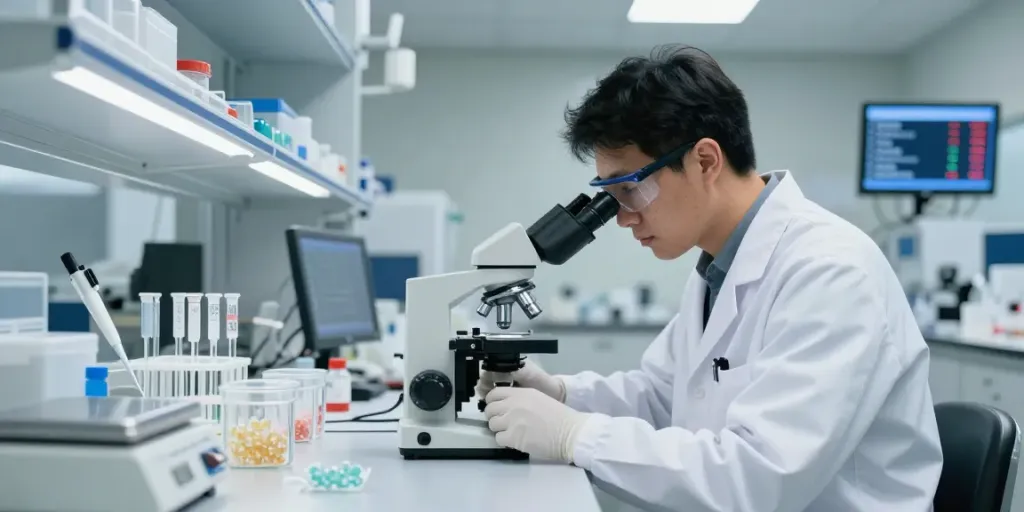
Introduction to Peptides and Their Importance
Peptides are short chains of amino acids, the building blocks of proteins, that play vital roles in biological functions. They are smaller than proteins and can be synthesized in laboratories for a variety of applications. The study of peptides has grown in importance as researchers uncover their diverse functionalities and potential therapeutic uses. This article will explore fundamental insights into peptides, emphasizing the work carried out by hydroresearch peptides in advancing peptide science and applications.
What are Peptides?
Peptides consist of two or more amino acids linked by peptide bonds. They can vary in length, typically ranging from 2 to 50 amino acids, with those longer than this being classified as proteins. Each peptide has a distinct sequence that determines its structure and function in the body. The versatility of peptides enables them to perform various functions, including hormone signaling, immune responses, and cell repair.
The Role of Peptides in Biological Processes
Peptides play critical roles in numerous biological processes. They serve as hormones, neurotransmitters, and enzymes. For example, insulin is a peptide hormone that regulates blood sugar levels, while endorphins, which are peptides produced in the brain, act as natural painkillers. Peptides are also involved in immune responses, cell communication, and the regulation of biological rhythms, showcasing their essential functions in maintaining homeostasis within organisms.
Future Potential of Peptide Research
The future of peptide research looks promising, with ongoing studies investigating their therapeutic capabilities. Areas such as cancer treatment, metabolic disorders, and neurological conditions are at the forefront of peptide research. Scientists are also exploring novel peptide-based vaccines, targeted drug delivery systems, and biomaterials, highlighting the need for innovative approaches in the medical field and the potential for breakthrough therapies.
Peptide Synthesis Techniques
Developing effective peptide therapies requires robust synthesis techniques. Understanding the various methods available is crucial for optimizing peptide production, lowering costs, and enhancing therapeutic efficacy.
Chemical vs. Biological Synthesis
Peptides can be synthesized through chemical or biological methods. Chemical synthesis, often referred to as solid-phase synthesis, involves the assembly of peptides on a solid support. This method allows for precise control over the sequence and addition of specific modifications. In contrast, biological synthesis occurs naturally in organisms through the ribosomal process, where peptide chains are formed during protein translation. Each method has its advantages and disadvantages, influencing the choice based on the target application.
Common Methods of Peptide Production
Common peptide synthesis methods include solid-phase peptide synthesis (SPPS), liquid-phase peptide synthesis (LPPS), and recombinant DNA technology. SPPS is the most widely used approach for creating peptides in laboratories due to its efficiency and scalability. LPPS, while less common, is useful for synthesizing longer peptides. Recombinant DNA technology allows for the production of peptides through genetically engineered bacteria, providing an alternative method for generating complex peptide sequences.
Optimizing Synthesis Efficiency
To optimize peptide synthesis, researchers employ various strategies such as reducing reaction times, enhancing coupling efficiency, and minimizing side reactions. Advanced techniques like microwave-assisted synthesis and automation have also become increasingly prevalent, significantly improving the speed and yield of peptide production. By refining these processes, scientists can produce higher-quality peptides that are essential for both research and therapeutic applications.
Applications of Peptides in Medicine
Peptides find their way into numerous medical applications due to their versatility and activity. Their potential spans from therapeutic development to diagnostics and beyond.
Peptides in Therapeutic Development
Therapeutically, peptides offer unique advantages, including high specificity for target sites, reduced toxicity, and the ability to cross biological membranes. They are currently utilized in various treatments, such as hormone replacement therapies, vaccines, and targeted cancer therapies. Prominent examples include glucagon-like peptide-1 (GLP-1), which is used for diabetes management, demonstrating the effectiveness of peptides in treating chronic illnesses.
Diagnostic Uses of Peptides
Peptides are increasingly used in diagnostics due to their ability to bind specifically to disease markers. For instance, peptide-based assays can detect antibodies or antigens related to specific diseases, including cancers and infectious diseases. These diagnostic tools enable timely and accurate disease identification, paving the way for personalized treatment plans and improved patient outcomes.
The Role of Peptides in Personalized Medicine
In the realm of personalized medicine, peptides play an essential role in tailoring treatments to individual patient needs. By analyzing peptide responses within a patient’s biological context, healthcare providers can design more effective and customized therapies. This approach enhances treatment efficacy and minimizes side effects, marking a shift towards more patient-centered care in the medical field.
Challenges in Peptide Research
Despite the advancements in peptide research, several challenges remain that researchers must address to maximize their potential.
Stability and Storage Issues
Peptides can be notoriously unstable, often degrading when exposed to heat, light, or moisture. This poses challenges for storage and transportation, particularly for therapeutic peptides that require specific conditions to maintain their stability. Researchers are actively exploring formulation strategies, such as lyophilization and the use of stabilizing agents, to enhance the shelf-life of peptides and ensure their effectiveness upon administration.
Regulatory Challenges in Peptide Applications
Navigating the regulatory landscape for peptide-based therapies can be complex. Regulatory agencies require rigorous testing and documentation to ensure the safety and efficacy of new peptide drugs. Researchers must collaborate with regulatory experts to navigate these requirements successfully, establishing clear protocols for clinical studies and ensuring compliance with established guidelines.
Overcoming Research Limitations
The limits of peptide research often stem from challenges in synthesis technologies, the complex nature of biological interactions, and high costs of development. To overcome these limitations, interdisciplinary research is essential. Collaboration between chemists, biologists, pharmacologists, and clinicians allows for a comprehensive approach to addressing these challenges, leading to innovative solutions that can propel peptide research forward.
Future Directions in Peptide Research
Looking ahead, the future of peptide research is filled with exciting possibilities as scientists explore new technologies and approaches.
Innovative Technologies in Peptide Studies
Emerging technologies such as nanotechnology and advanced imaging techniques are expected to enhance peptide research significantly. Nanocarriers can improve delivery methods, increasing the bioavailability and therapeutic potential of peptide drugs. Meanwhile, advanced imaging technologies allow for the visualization of peptide interactions within biological systems, providing critical insights into their mechanisms of action.
Emerging Fields and Collaborations
(Add emerging fields description) Researchers are collaborating across disciplines to integrate cutting-edge knowledge and technology. Fields like bioinformatics and systems biology are emerging as vital partners in peptide research. By employing computational models, researchers can predict peptide behavior and interactions, guiding experimental designs and accelerating discovery.
The Importance of Interdisciplinary Research
The complexity of biological systems necessitates interdisciplinary collaboration in peptide research. The integration of diverse scientific backgrounds allows for a comprehensive understanding of peptide functions and applications. This collaborative environment fosters innovation and improves the translation of research into practical therapies, ultimately benefiting patient healthcare outcomes.
Frequently Asked Questions
What are the main functions of peptides?
Peptides serve numerous functions in the body including signaling hormones, neurotransmitters, and immune responses, playing crucial roles in biological processes.
How are peptides synthesized in the lab?
Peptides can be synthesized using chemical methods like solid-phase peptide synthesis (SPPS) or biologically through recombinant DNA technology in microorganisms.
What are the therapeutic uses of peptides?
Peptides are used in treatments for diabetes, cancer, and as vaccine components, capitalizing on their specificity and reduced toxicity in medical applications.
What challenges do researchers face in peptide research?
Research challenges include peptide stability, regulatory hurdles in drug approval, and synthesis limitations, requiring innovative strategies to overcome these issues.
What is personalized medicine's role in peptide therapy?
Personalized medicine tailors peptide therapies to individual patient profiles, enhancing treatment effectiveness and minimizing adverse effects for better patient outcomes.