Introduction to Pressure Vessel Design
Pressure vessel design is a crucial aspect of engineering in industries where fluids are stored, processed, or transported under high pressure. The design of these vessels is vital not just for operational efficiency but also for ensuring safety in environments where failure can result in catastrophic outcomes. This article delves deeply into the nuances of Pressure Vessel Design, exploring its definition, importance, applications, and fundamental principles, along with the design process, challenges, and future trends shaping the industry.
Definition and Importance
A pressure vessel is typically defined as a container designed to hold gases or liquids at a pressure different from the ambient pressure. The importance of pressure vessels extends beyond mere containment; they play a fundamental role in various processes across industries such as oil and gas, chemical manufacturing, pharmaceuticals, and food processing. Designing these vessels according to rigorous safety standards is essential to prevent accidents and ensure compliance with regulatory frameworks.
Applications Across Industries
Pressure vessels have diverse applications across numerous industries. In the oil and gas industry, they are commonly used for crude oil storage, gas processing, and liquefaction of gases. In chemical processing, pressure vessels are used in reactors, distillation columns, and storage tanks for hazardous materials. Additionally, power generation industries employ pressure vessels in boilers and heat exchangers, while the pharmaceutical sector uses them for sterilization and batch processing of medicines.
Key Design Considerations
Designing a pressure vessel requires careful consideration of various factors, including:
- Material Selection: Materials must withstand specific pressures and temperatures over time.
- Shape and Configuration: Typically, cylindrical shapes are favored due to uniform stress distribution.
- Safety Factors: Incorporating safety factors to mitigate risks associated with pressure failure.
- Regulatory Compliance: Adhering to industry standards like ASME, which dictate design parameters.
Fundamental Principles of Pressure Vessel Design
Common Shapes and Their Uses
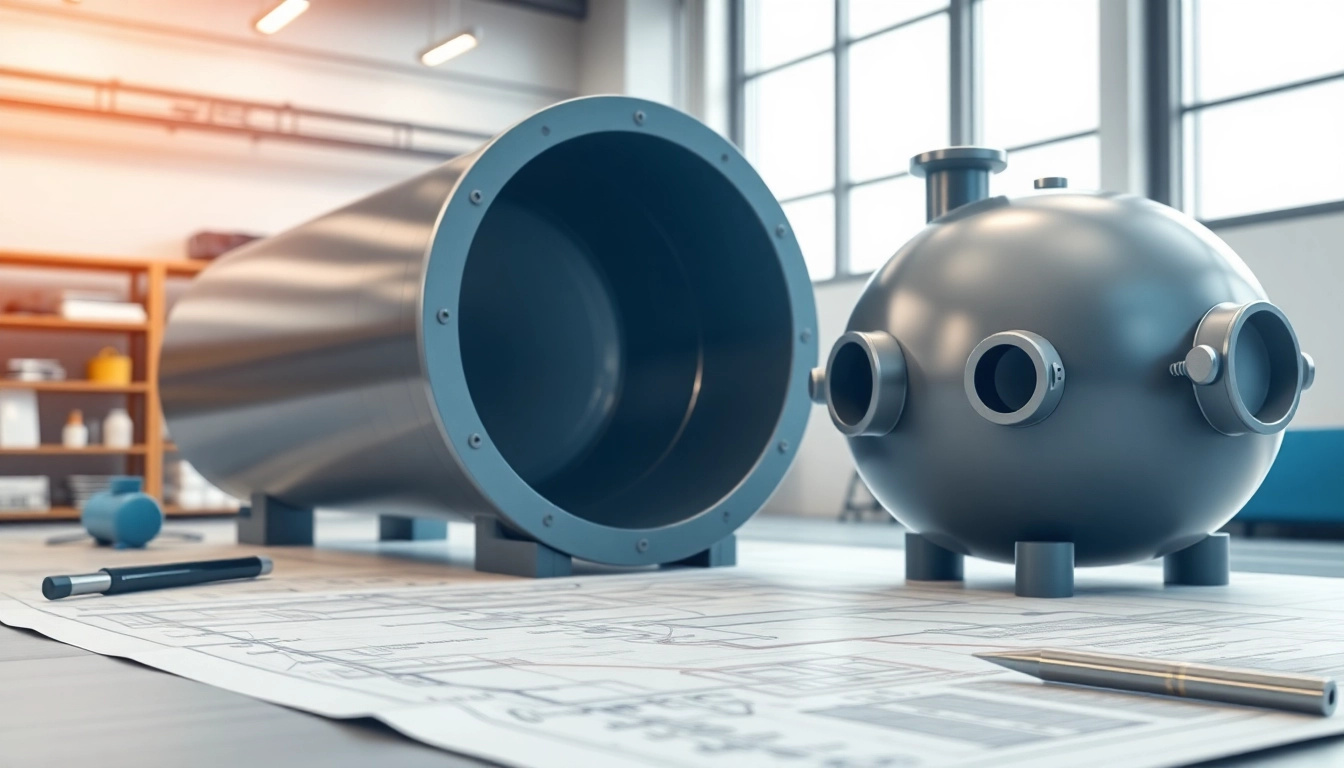
Pressure vessels come in various shapes, with each serving distinct purposes. The most common shapes include:
- Cylindrical Vessels: These vessels are often used for storage due to their efficient volume-to-surface area ratio.
- Spherical Vessels: Spheres provide optimum structural integrity and are typically used for high-pressure applications.
- Conical Vessels: Often employed in piping systems and for directing flow in process applications.
Material Selection for Safety and Durability
Material selection is a vital step in designing pressure vessels. Common materials include carbon steel, stainless steel, and alloy steels, each selected based on the operational environment, chemical compatibility, and pressure requirements. Each material must also be evaluated for its corrosion resistance, toughness, and weldability. Advanced materials such as composites may also emerge in specialized applications, providing additional weight savings and flexibility.
Design Codes and Standards
Pressure vessel design is governed by several design codes and standards, with the ASME Boiler and Pressure Vessel Code being the most prominent in the United States. Compliance with these standards ensures that the design meets safety, quality, and performance criteria. Compliance also involves documentation and inspection processes that ascertain the vessel's integrity throughout its lifecycle.
Pressure Vessel Design Process
Initial Planning and Concept Development
The design process begins with planning and conceptual development. Engineers assess the specific needs of the project, including the type of fluids to be contained, operating pressures, temperatures, and local regulatory requirements. This phase often involves creating conceptual sketches and preliminary calculations to define key specifications.
Calculations for Safety and Efficiency
Following initial planning, engineers perform detailed calculations concerning stress, buckling, and fatigue to ensure that the selected materials and design shape will withstand the anticipated loads. This stage is critical for identifying potential failure points and evaluating the overall efficiency of the design. Advanced software tools are often used to simulate the operational conditions to assess performance under various scenarios.
Testing and Verification Steps
Before a pressure vessel goes into operation, it must undergo rigorous testing and verification to ensure it meets all design specifications and safety standards. Common testing methods include:
- Hydrostatic Testing: Testing with water at pressures higher than normal operational levels.
- Pneumatic Testing: Involving air or gas, typically performed in lower capacities.
- Non-Destructive Testing: Methods like ultrasonic, magnetic particle, and radiographic tests allow for evaluating the structural integrity without damaging the vessel.
Challenges in Pressure Vessel Design
Addressing Regulatory Compliance Issues
Regulatory compliance remains one of the most significant challenges faced in pressure vessel design. Failure to adhere to applicable codes can result in penalties and increased liability. Knowledge of local and national regulations, as well as standards such as those set by the ASME, is crucial to ensure compliance and operational safety.
Managing Budget Constraints
Balancing safety, quality, and budgetary constraints is an ongoing challenge in pressure vessel design. Engineers must find ways to optimize material selection and design complexity without compromising safety. Lean engineering practices can lead to cost reductions while still maintaining compliance with code requirements.
Innovative Solutions in Design
Innovative approaches in pressure vessel design can enhance safety and efficiency. The use of simulation and modeling software allows for the rapid prototyping of designs, facilitating testing and iterations at early project stages. Additionally, advancements in materials science may lead to the production of lightweight yet strong vessels, improving the overall performance and extending their service life.
Future Trends in Pressure Vessel Design
Emerging Technologies and Software
The future of pressure vessel design will likely be shaped by emerging technologies such as artificial intelligence and machine learning, which can predict failure points and optimize designs based on historical data. Simulation technologies will enhance the precision of design calculations and improve validation processes, reducing time-to-market for new vessels.
Sustainable Practices in Design
Sustainability is becoming a core component of engineering practices, and pressure vessel design is no exception. Techniques to minimize energy use and implement environmentally friendly materials are on the rise. Utilizing life-cycle assessment tools can help engineers evaluate the environmental impact of their designs and inform better choices in material and fabrication methods.
Predictions for Industry Changes
As global standards evolve and industries shift toward more strict safety protocols, it is expected that pressure vessel design will continue to advance. This includes greater integration of technology in both materials and design processes, further improving safety, compliance, and efficiency. Engineers will also need to stay ahead of regulatory changes that could impact design methods and material choices.
Frequently Asked Questions
What is a pressure vessel?
A pressure vessel is a container that holds gases or liquids at a pressure significantly different from the ambient pressure, designed to be structurally safe under those pressures.
What materials are commonly used in pressure vessels?
Common materials include carbon steel, stainless steel, and specialized alloys, chosen based on factors like pressure, temperature, and fluid compatibility.
What are ASME codes?
ASME codes are a set of standards established by the American Society of Mechanical Engineers that govern the design, fabrication, and inspection of pressure vessels in the U.S.
How are pressure vessels tested for safety?
Pressure vessels undergo various testing methods, including hydrostatic, pneumatic testing, and non-destructive testing, to ensure they meet safety standards and performance criteria.
What trends are shaping the future of pressure vessel design?
Future trends include the integration of advanced technologies like AI and machine learning, greater emphasis on sustainability, and adherence to evolving safety regulations.