What Are Fluid Power Systems?
Definition and Basic Principles
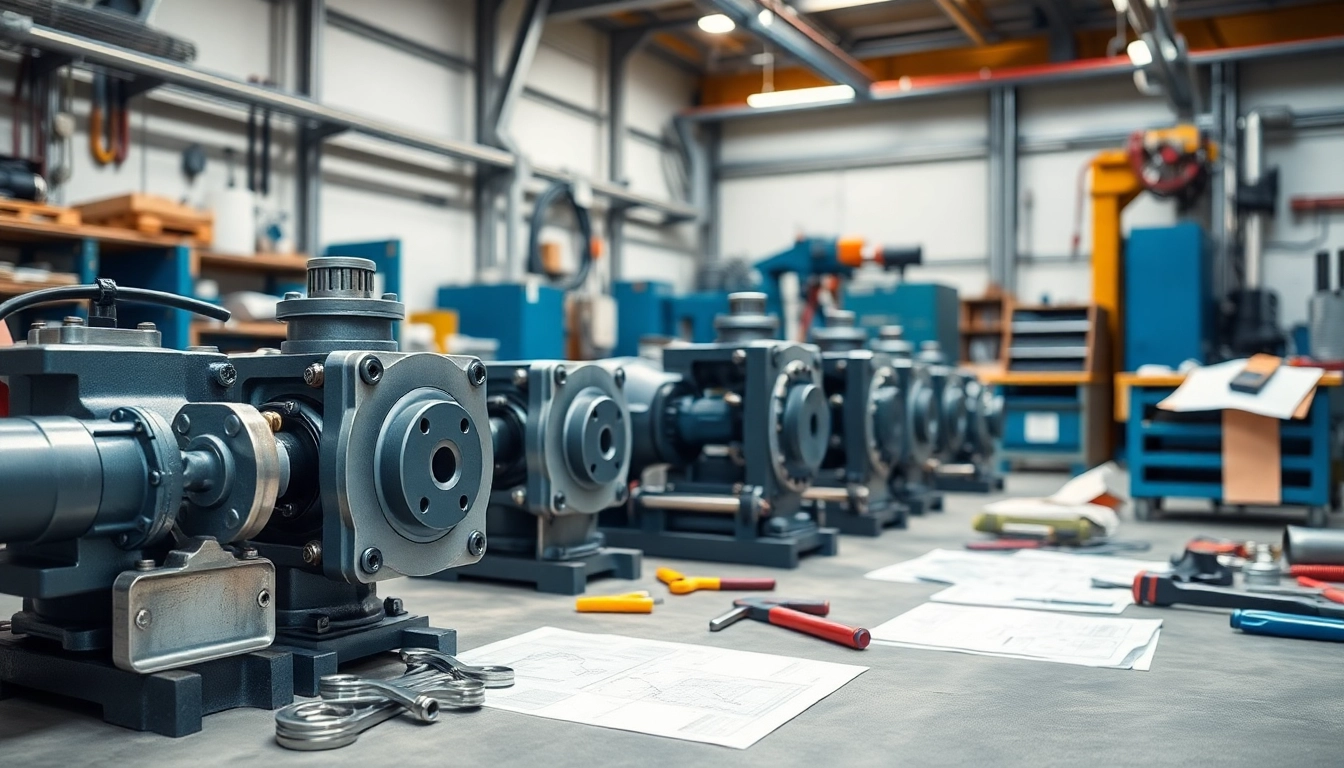
Fluid power systems are essential technologies that utilize the mechanical properties of fluids, either gases or liquids, to generate, control, and transmit power. These systems operate on the principles of fluid dynamics and statics, allowing them to efficiently transfer energy in various applications. At the core, fluid power relies on the pressure and flow of fluids to create movement and perform work. This is achieved through a closed-loop system that ensures the continuous circulation of hydraulic fluid, converting pressure energy into kinetic energy for operations such as lifting, pressing, and moving heavy loads.
Types of Fluid Power Systems
Fluid power systems generally fall into two categories: hydraulic systems and pneumatic systems. Hydraulic systems utilize incompressible liquids, predominantly oil, which allows them to exert high force in a compact size. These systems are widely used in applications that require significant lifting capacity and precise control. On the other hand, pneumatic systems use compressed gases, mainly air, to transmit power. They are lighter and faster-acting compared to hydraulics, making them ideal for applications such as automated machinery and personal protective equipment. Understanding the distinctions between these systems is crucial for determining their suitability for specific tasks.
Importance in Modern Engineering
The significance of fluid power systems in modern engineering cannot be overstated. They are integral in industries ranging from manufacturing and construction to aerospace and transportation. Their ability to efficiently transfer power and provide precise control makes them invaluable in automating processes and enhancing productivity. Furthermore, with advancements in technology, fluid power systems have become more reliable and adaptable, increasing their application in new and innovative sectors. As a foundation for a multitude of mechanical systems, fluid power systems are at the forefront of engineering advancements.
Key Components of Fluid Power Systems
Pumps and Actuators
Pumps play a vital role in fluid power systems, serving as the heart that moves the hydraulic fluid through the system. They convert mechanical energy into hydraulic energy, generating flow under pressure. Common types of pumps include gear pumps, diaphragm pumps, and piston pumps, each offering different advantages depending on the system's requirements. On the other hand, actuators are devices that convert the hydraulic energy back into mechanical energy to perform useful work. Common types include hydraulic cylinders and pneumatic cylinders, which can move loads in linear or rotary motion. Understanding the function and design of these components is essential for optimizing fluid power system performance.
Valves and Accumulators
Valves control the direction, flow rate, and pressure of the fluid within a power system. They ensure that the fluid flows where it's needed and at the required speed, impacting the overall efficiency of the system. There are various types of valves, including check valves, relief valves, and directional control valves, each tailored for specific functions. Accumulators, on the other hand, store energy in the form of hydraulic fluid under pressure. They act as shock absorbers, maintain pressure, and provide additional fluid to the system when needed, enhancing performance and reliability. Together, valves and accumulators are essential for regulating and stabilizing fluid power systems.
Hydraulic Fluids and Their Properties
Hydraulic fluids are critical for the operation of fluid power systems, serving both as a medium for power transmission and as a lubricant to protect system components. The choice of hydraulic fluid is crucial as it impacts the overall efficiency, performance, and longevity of the system. Common hydraulic fluids include mineral oils, water-based fluids, and biodegradable options, each with unique properties such as viscosity, temperature stability, and chemical compatibility. Understanding the various properties of hydraulic fluids, including their behavior under different operating conditions, helps engineers select the appropriate fluid for specific applications, ensuring optimal performance.
Applications of Fluid Power Systems
Industrial and Manufacturing Uses
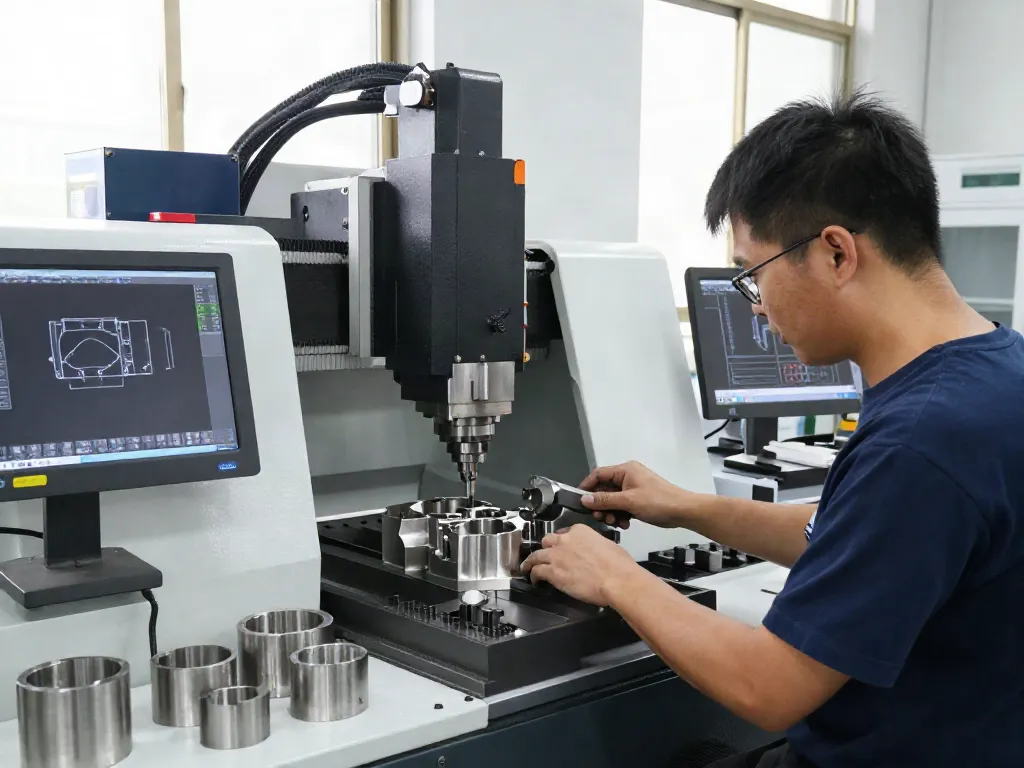
Fluid power systems dominate the industrial and manufacturing sectors due to their efficiency and reliability. They are used in machinery for lifting, pressing, welding, and shaping materials. Common applications include CNC machines, robotic arms, and conveyor systems, all of which rely on the precise control and high force capabilities of fluid power technology. Furthermore, automation systems often integrate fluid power components to improve production efficiency, reduce labor costs, and minimize downtime, making them an essential part of modern production lines.
Automotive Applications
In the automotive industry, fluid power systems are utilized extensively, from manufacturing processes to vehicle functionality. Hydraulic systems power braking systems, steering mechanisms, and convert energy in hybrid and electric vehicles. Automakers rely on fluid power technologies to test components, assemble vehicles, and manage vehicle dynamics effectively. This reliance on fluid power translates into enhanced performance, safety, and efficiency of automotive systems, demonstrating their critical role in modern engineering.
Aerospace and Marine Technologies
Aerospace and marine industries also leverage fluid power systems for various applications. In aerospace, hydraulic systems control aircraft flight surfaces, landing gear, and cargo doors. The lightweight, high-strength properties of hydraulic systems make them preferable in aviation design. Similarly, marine vessels employ hydraulic systems for steering, deck machinery, and cargo management. These applications demonstrate the versatility and reliability of fluid power systems in environments that demand high performance and safety.
Challenges and Solutions in Fluid Power Systems
Common Issues and Their Impacts
Fluid power systems face several challenges that can affect their efficiency and reliability. Common issues include leaks, contamination, and loss of pressure. Leaks can occur at seals, connections, or hoses, leading to diminished performance and environmental concerns. Contamination from dirt, water, or other particles in hydraulic fluids can compromise system integrity, resulting in increased wear and unexpected failures. These challenges necessitate regular monitoring and maintenance to uphold efficiency and safety in fluid power systems.
Best Practices for Maintenance
Maintaining fluid power systems involves adhering to best practices that ensure reliability and longevity. Regular inspection of hoses, connections, and seals is vital to identify potential leaks before they escalate. Flushing the system to remove contaminants and regularly changing hydraulic fluids is also essential for maintaining optimal performance. Additionally, employing advanced diagnostic tools can help monitor the health of fluid power systems, enabling proactive maintenance strategies that minimize downtime and improve operational efficiency.
Innovative Solutions and Technologies
Recent advancements in technology offer innovative solutions to the challenges faced by fluid power systems. Smart sensors and IoT devices can provide real-time monitoring of system performance, enabling predictive maintenance and reducing unexpected failures. Furthermore, the development of biodegradable hydraulic fluids and advanced filtration systems promotes sustainability while ensuring reliable operation. As industries seek more efficient and eco-friendly solutions, these innovations will play a critical role in the evolution of fluid power technologies.
The Future of Fluid Power Systems
Emerging Trends and Technologies
The fluid power industry is experiencing rapid innovation, driven by the need for efficiency and automation. Emerging trends include electrification of fluid power systems, which combines the advantages of hydraulic actuation with electric control for improved precision and energy efficiency. The integration of robotics in fluid power applications is also on the rise, facilitating automation in manufacturing processes and enhancing operational capabilities. These trends are paving the way for smarter and more versatile fluid power systems.
Sustainability and Efficiency Improvements
Sustainability is becoming a core focus within the fluid power industry. The development of environmentally friendly hydraulic fluids and the implementation of re-circulating fluid systems are steps toward reducing environmental impact. Additionally, improving energy efficiency through advanced materials and design techniques can contribute to lower operational costs and reduced carbon footprint, aligning with global sustainability goals.
Impact on Various Industries
The advancements and innovations within fluid power systems are set to impact various industries significantly. From manufacturing to renewable energy, fluid power technologies will play a vital role in enhancing productivity and operational efficiency. As industries integrate smarter systems, the reliance on fluid power will continue to evolve, driving growth and innovation across global markets. This evolution speaks to the adaptability of fluid power systems in meeting the ever-changing demands of modern engineering.
FAQs About Fluid Power Systems
What is the primary purpose of fluid power systems?
The primary purpose is to generate, control, and transmit power using fluids, facilitating movement and completing work in various applications.
What are the main types of fluid power systems?
There are two primary types: hydraulic systems, which use liquids, and pneumatic systems, which utilize gases, each serving different applications.
How do pumps function in fluid power systems?
Pumps convert mechanical energy into hydraulic energy, moving fluid through the system to perform work, such as lifting or pressing.
What challenges do fluid power systems face?
Common challenges include leaks, fluid contamination, and pressure loss, which can reduce efficiency and lead to system failures.
How is maintenance handled for fluid power systems?
Maintenance involves regular inspections, fluid changes, and monitoring for leaks or contamination to ensure reliable and efficient operation.
Contact Information
Call Us: 780.452.2876Email: [email protected]Address: 13111 159 Street Edmonton, AB T5V 1H6