Understanding Innovation in Theatre
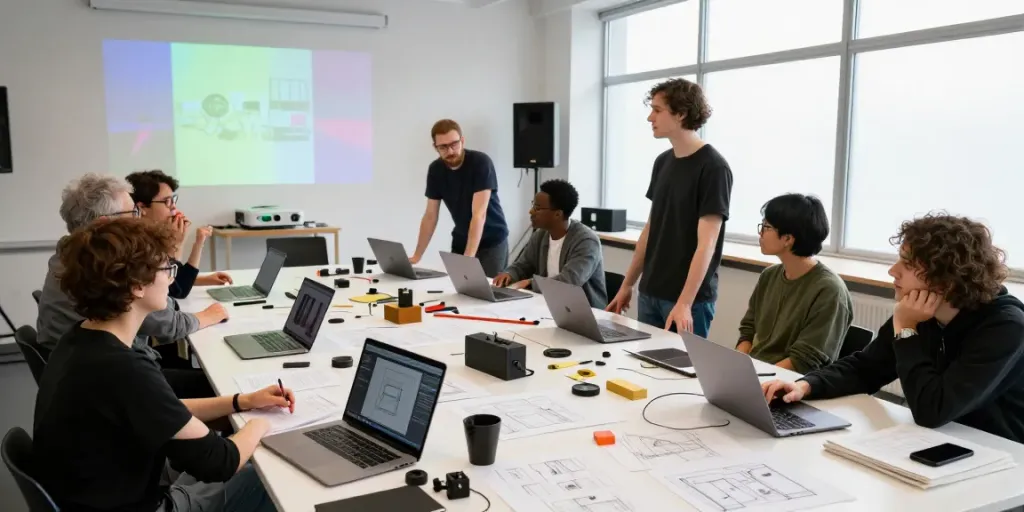
Theatre has always been a dynamic art form, constantly evolving with the times. In recent years, the integration of technology has transformed traditional performances into immersive experiences, paving the way for what can be referred to as innovation in theatre. From augmented reality to artificial intelligence, the tools available for creators today are reshaping how stories are told and experienced, making theater more accessible and engaging than ever before.
The Role of Technology in Contemporary Theatre
In the modern theatre landscape, technology plays an indispensable role. Lighting and sound design have advanced exponentially due to digital tools and software that allow for greater precision and creativity. For instance, software like QLab and MadMapper enable sound designers and projection artists to synchronize audio and visuals seamlessly, enhancing the overall narrative without distracting from the performance. Furthermore, the integration of AI tools is revolutionizing stage management, providing a safety net that allows for rapid adjustments during live shows.
Redefining Traditional Performance Techniques
Innovation in theatre is not merely about using new tools; it's also about rethinking traditional performance techniques. Directors are now incorporating techniques from various fields, including video game design, to create interactive and immersive environments. This can be seen in productions that allow audiences to influence the storyline through their choices, promoting a deeper connection to the material.
Historical Context of Theatre Innovations
Although today’s technological advancements are remarkable, it's important to recognize that innovation in theatre is not a new phenomenon. Historical milestones such as the introduction of electric lighting in the late 19th century or the use of film projection have similarly transformed the theatrical experience. Understanding this historical context helps current practitioners appreciate the continuous evolution of the medium and the opportunities that lie ahead.
Tools and Apps for Enhanced Theatre Production
The advent of various tools and applications has made it easier than ever to manage productions, whether in terms of scheduling, sound design, or even script development. These innovations streamline processes and reduce the burden on creative teams, allowing them to focus more on artistic elements rather than administrative tasks.
Innovative Apps for Stage Management
Stage management has benefitted tremendously from digital innovations. Apps like StageWrite and Showtool assist in cue tracking and script management, enabling stage managers to communicate more effectively with cast and crew during performances. These tools save time and reduce the risk of errors, allowing productions to run smoothly.
Digital Tools for Sound and Lighting Design
Sound and lighting designers are leveraging technology to push the boundaries of their craft. Software like WYSIWYG for lighting design and Pro Tools for sound editing allows designers to create detailed pre-visualizations, ensuring that their artistic vision translates accurately on stage. The ability to simulate lighting changes or soundscapes before the actual performance reduces last-minute chaos and enhances the audience's experience.
Utilizing AI in Theatre Surtitling
Accessibility is crucial in modern theatre, and AI is playing a pivotal role in enhancing inclusive practices. Tools such as Captitles automate the surtitling process, allowing for quicker turnaround times without sacrificing quality. This not only enhances the experience for hearing-impaired audiences but also expands the reach of productions to diverse demographics.
The Impact of Innovative Practices on Audience Engagement
The ultimate goal of any theatre production is to engage the audience. Innovative practices can enhance this engagement by creating more interactive and participatory experiences. From the moment audiences enter the venue, the incorporation of technology can make the experience more memorable.
Creating Accessible Theatre Experiences
As the conversation around inclusivity grows, theatre practitioners are increasingly focusing on accessibility. Innovations such as mobile surtitling allow audiences to follow performances on their smartphones, catering to individuals with hearing impairments. Additionally, audio description services provide vital context for visually impaired attendees, ensuring that everyone can experience the magic of theatre.
Leveraging Social Media for Audience Interaction
Social media platforms are becoming crucial for audience engagement. By utilizing platforms like Instagram and Facebook, theatres can create buzz around their productions, share behind-the-scenes content, and even engage audiences in real-time during performances. This not only enhances the theatre's visibility but allows for a two-way interaction that enriches the overall experience.
Experiential Theatre and Immersive Storytelling
Experiential theatre is a growing trend that emphasizes audience participation and immersion. Productions like "Sleep No More" have demonstrated how breaking the fourth wall and incorporating elements of interactivity can create a unique theatrical experience that resonates on a deeper level. These types of performances encourage audiences to become co-creators, thus fostering a more engaging environment.
Cultural Trends Shaping the Future of Theatre
As we look towards the future, several cultural trends are poised to influence the direction of theatre. These trends are informed by global events, technological advancements, and shifting societal norms.
Emerging Themes in Contemporary Playwriting
Playwrights are increasingly exploring themes that reflect contemporary societal issues. Works addressing topics such as climate change, social justice, and identity are gaining traction, resonating with audiences who seek relevance in their theatrical experiences. This shift in themes pushes theatre to not only entertain but also to provoke thought and discussion.
Global Influences on Local Theatre Innovations
The internet has erased geographical barriers, allowing for a cross-pollination of ideas and styles. Local theatres are drawing inspiration from global trends, integrating diverse narratives that resonate across cultures. This exchange enriches productions and helps theatres remain relevant in a rapidly changing world.
Trends to Watch in 2026 and Beyond
As we enter 2026, several trends are expected to shape the future of theatre. The incorporation of virtual reality and augmented reality into live performances is likely to expand, providing audiences with more immersive experiences. Additionally, the rise of subscription-based models for theatre attendance could change how audiences engage with productions, making theatre more accessible to a wider audience.
Best Practices for Implementing Innovation in Theatre
Successfully integrating innovation into theatre practices requires a proactive approach. Below are some strategies that can help practitioners harness new technologies and methodologies effectively.
Strategies for Integrating New Technologies
The first step towards successful innovation is to identify the right technologies that align with creative goals. Conducting regular technology assessments ensures that theatres are leveraging the latest tools that can improve efficiency and enhance production quality. Collaborating with tech experts can bridge the gap between artistic vision and technological implementation.
Case Studies of Successful Innovative Productions
Many productions have successfully integrated innovation into their core processes. For example, "The Nether," a play exploring virtual reality's implications on society, utilized cutting-edge technology to create an unsettling yet captivating experience. Such case studies not only provide valuable insights but also inspire future theatre creators to think outside the box.
Measuring Success: Metrics for Innovation in Theatre
Defining clear metrics for success is crucial when implementing innovative practices. This could involve audience feedback, engagement levels, and ticket sales. By establishing these benchmarks, theatres can assess the impact of their innovations and adjust their strategies accordingly.
What are some examples of innovation theater?
Innovation theatre can be seen in projects that prioritize unique storytelling techniques, interactive elements, and the use of cutting-edge technology. Productions like "The Encounter," which employs binaural sound technology, exemplify how innovative methods can transport audiences into new worlds.
What are the current trends in theatre?
Current trends in theatre include a focus on inclusivity, the exploration of diverse narratives, and the integration of digital technologies. These trends reflect a broader societal push towards representation and accessibility in the arts.
What exactly is innovation theater?
Innovation theater refers to the practice of showcasing new methods or technologies in performance without a substantial impact on traditional practices or audiences. It often serves as a demonstration of what is possible rather than a reflection of meaningful change.
What is musical innovation?
Musical innovation involves the fusion of different genres, the incorporation of new instruments, and the exploration of unconventional musical structures. This can breathe new life into traditional musicals and create exciting new forms of theatre.