Understanding the Scissor Lift
Definition and Functionality of Scissor Lift
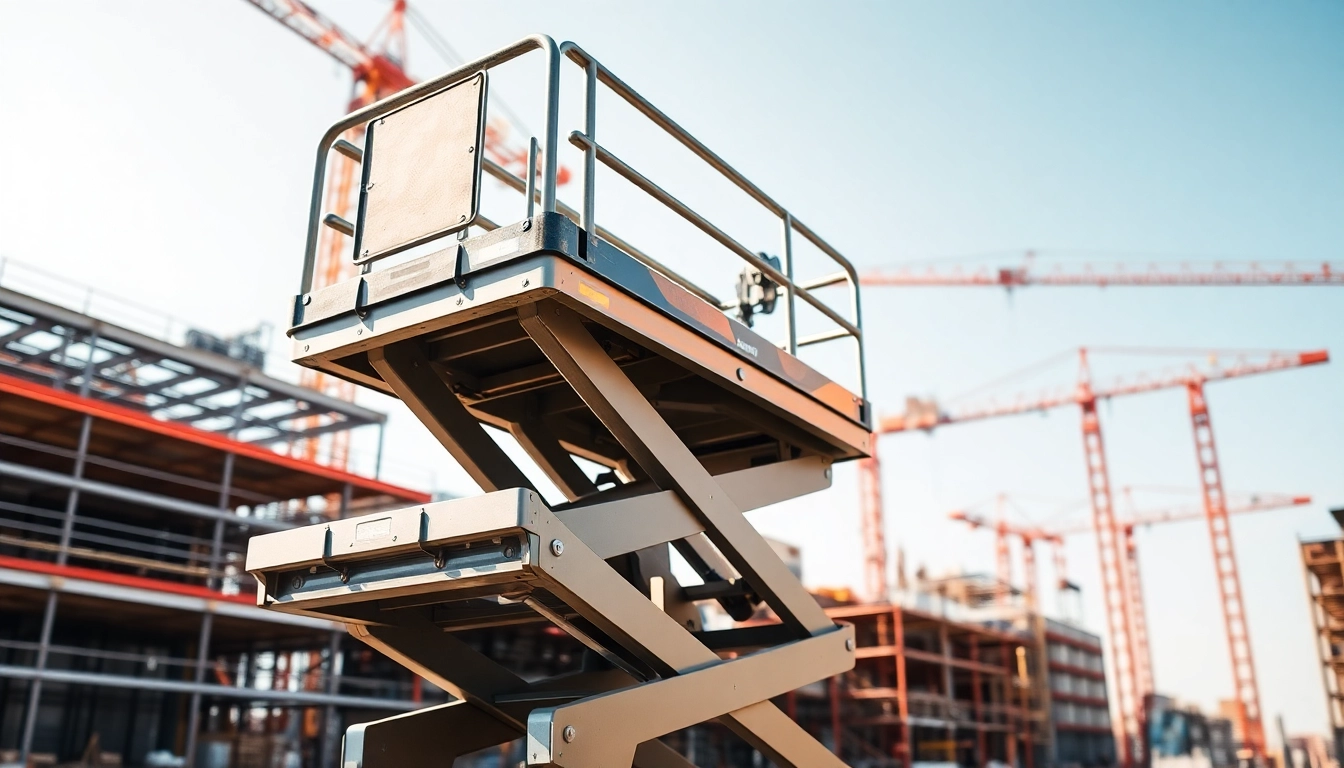
A scissor lift is a specialized piece of equipment designed to lift personnel and materials to elevated working heights. The platform of the scissor lift moves in a vertical motion, utilizing crisscrossed beams that expand and contract in a scissor-like fashion. This mechanism enables it to reach heights that are generally unattainable with traditional ladders or scaffoldings.
Scissor lifts are commonly powered by electricity or internal combustion engines, depending on the type of model being used. Their design prioritizes safety and stability, which is critical when working at heights. Electric scissor lifts are especially popular for indoor applications due to their quiet operation and lack of emissions.
At scissor lift rental services, one can find various models tailored to suit different project needs.
Types of Scissor Lifts
There are several types of scissor lifts available, each designed for specific applications and environments:
- Electric Scissor Lifts: Best suited for indoor use, these models are eco-friendly and produce minimal noise, making them ideal for construction sites, warehouses, and retail spaces.
- Rough Terrain Scissor Lifts: Featuring larger tires and increased stability, these lifts are designed for outdoor projects on uneven surfaces, such as construction and landscaping.
- Slab Scissor Lifts: Built for flat surfaces, they are typically used indoors where space is limited, offering excellent maneuverability.
- Hybrid Scissor Lifts: Combining electric and fuel power sources, hybrid models provide versatility for both indoor and outdoor applications.
Key Features to Consider
When selecting a scissor lift, various key features should be taken into account to ensure the right fit for your project:
- Lift Height: Determine the maximum lift height you require based on the tasks to be performed.
- Platform Size: Choose a platform size that can accommodate the number of workers and materials you'll need at height.
- Weight Capacity: Check the load capacity to ensure it meets the demands of your project without compromising safety.
- Power Source: Decide between electric, diesel, or hybrid power options based on the job site's proximity to power sources and environmental considerations.
- Terrain Suitability: Evaluate the type of terrain where the lift will be used to choose between standard or rough terrain models.
Applications of Scissor Lift in Various Industries
Construction and Maintenance Tasks
In the construction industry, scissor lifts are invaluable for tasks such as installing drywall, performing electrical work, and enabling workers to safely access roofs and ceilings. They reduce the risk of falls and accidents through their stable platforms and guardrails, enhancing worker safety.
Maintenance tasks, especially in commercial buildings, often involve changing light bulbs, conducting building inspections, and performing cleaning duties at heights, all of which are efficiently handled by scissor lifts.
Warehouse and Inventory Management
In warehousing, scissor lifts streamline inventory management by allowing easy access to high shelves and storage spaces. These lifts facilitate the quick retrieval and organization of goods, ultimately improving overall operational efficiency.
Employees can use scissor lifts to perform stock checks and organize merchandise without needing cumbersome ladders, thereby saving time and enhancing productivity.
Event Setup and Staging
Scissor lifts play a crucial role in setting up events, particularly in theaters and conventions. They enable stagehands to install lighting, sound equipment, and backdrops safely at significant heights.
Using scissor lifts allows for efficient setup and takedown processes at events, ensuring that everything is in place while minimizing hazards associated with working on ladders.
Benefits of Using a Scissor Lift
Improved Safety Measures
The primary advantage of using a scissor lift is the enhancement of safety when working at heights. With features such as guardrails and a stable platform, scissor lifts significantly reduce the risk of falls compared to traditional ladders.
Regular safety features include locking mechanisms, emergency stop buttons, and tilt sensors, which work together to provide a secure working environment.
Increased Productivity
Scissor lifts boost productivity by minimizing the time workers spend moving between lifting and their work areas. With the ability to lift multiple workers and materials simultaneously, projects can be completed more efficiently.
Additionally, their maneuverability allows for quick adjustments and position changes without needing additional equipment, allowing crews to stay focused on their tasks.
Cost-Effectiveness
Investing in a scissor lift can be more cost-effective than traditional scaffolding or ladders over time. Although initial rental or purchase costs can be significant, the reduction in labor costs and increased efficiency during operations often outweigh these expenses.
Furthermore, various financing options for purchasing a scissor lift can make it a viable choice for many businesses, allowing for the investment in equipment that enhances performance and safety.
How to Choose the Right Scissor Lift
Assessing Project Requirements
To determine the right scissor lift for your needs, start by evaluating the scope of your project. Consider factors like lift height, load requirements, and the type of terrain where the lift will be used. This assessment will help narrow down the models that fit your specifications.
It's also beneficial to consult with experts or rental companies that can provide insights based on similar past projects, ensuring you have the best fit.
Evaluating Lift Specifications
Review the technical specifications of the available scissor lift models, such as platform size, weight capacity, and maneuverability. Ensure that these specifications align with your project’s needs and environment.
Pay special attention to the maximum reach of the platform and any additional features that may enhance usability based on specific tasks.
Renting vs. Buying Options
Deciding whether to rent or buy a scissor lift hinges on the frequency and duration of use. If the equipment is needed for short-term projects, renting may be the most financially sound option.
For businesses that frequently require lifts, purchasing may ultimately provide greater long-term savings. Evaluate your project frequency and operational budget to make an informed decision.
FAQs About Scissor Lifts
What is a scissor lift used for?
A scissor lift is primarily used to elevate workers and materials for tasks such as construction, maintenance, and inventory management at heights that are difficult to reach safely.
How high can a scissor lift go?
The maximum height of a scissor lift can vary significantly by model, typically ranging from 20 to over 70 feet depending on the lift’s specifications and design.
Are scissor lifts safe to operate?
Yes, scissor lifts are designed with safety features such as guardrails, stabilizers, and emergency stopping mechanisms, making them safer options for working at heights compared to ladders.
Can scissor lifts be used outdoors?
Scissor lifts can be used outdoors, especially rough terrain models that are designed to maneuver on uneven ground. Always assess the weather and site conditions beforehand.
What maintenance does a scissor lift require?
Regular maintenance for scissor lifts includes checks on hydraulic systems, battery health, safety features, and visual inspection for any visible wear or damage, ensuring safe operation.
Contact Information
Call Us: 4062607988Address: 3906 MT-40, Columbia Falls, MT 59912