Understanding Wastewater Treatment Systems
In the modern landscape of environmental management, the value of effective wastewater treatment systems cannot be overstated. These systems play a critical role in safeguarding community health and preserving natural water bodies. Among the various solutions available, Wastewater Treatment System Manufacturers have introduced innovative approaches to tackle diverse wastewater challenges, ranging from domestic sewage to complex industrial effluents.
What Are Containerized Wastewater Treatment Systems?
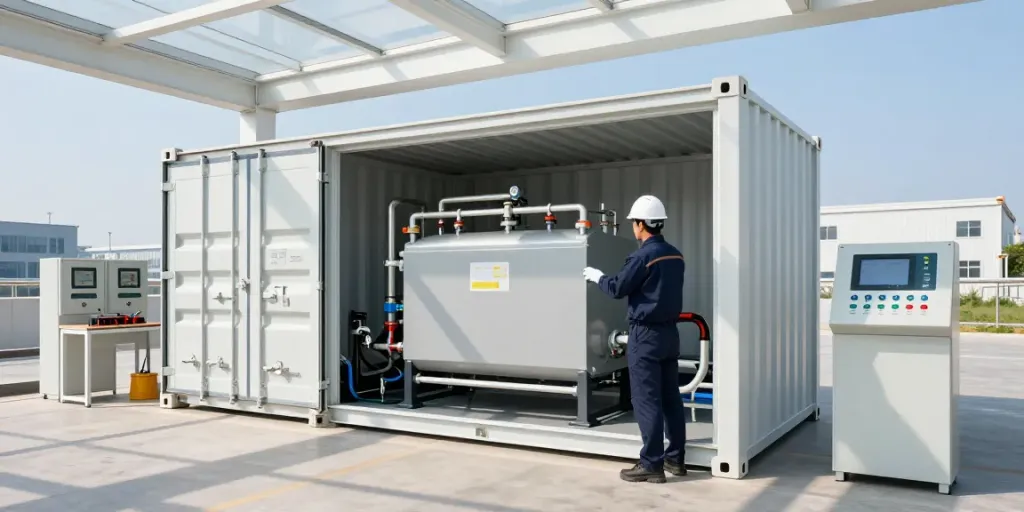
Containerized wastewater treatment systems are advanced, modular units designed to provide comprehensive solutions for wastewater management. Often housed within standard shipping containers, these systems offer portability and flexibility, making them suitable for a variety of applications. Their design facilitates rapid deployment in various environments, ensuring that communities and industries can address urgent wastewater treatment needs efficiently.
Key Components of Efficient Treatment Systems
Efficient wastewater treatment systems typically consist of several key components:
- Pre-treatment Units: These units remove larger solids and debris to prevent damage to subsequent processes.
- Biological Treatment: Utilizing microorganisms, this stage breaks down organic matter in the wastewater.
- Filtration Systems: These systems ensure that any remaining particles are filtered out, producing cleaner effluent.
- Disinfection Units: This step is crucial for killing pathogens before discharge into receiving bodies of water.
Understanding these components is essential for selecting the right containerized system that meets specific treatment needs efficiently.
Comparative Analysis: Traditional vs. Containerized Systems
When comparing traditional wastewater treatment solutions to containerized systems, several factors come into play:
- Installation Time: Traditional systems often require extensive construction work, leading to longer installation times. In contrast, containerized solutions can be set up quickly—often within one to two days—minimizing disruption.
- Cost Efficiency: Containerized options reduce capital expenditures by bundling necessary components in a single unit, whereas traditional systems may involve higher material and labor costs.
- Flexibility: Containerized systems can easily be relocated as operational needs change, offering significant advantages over fixed installations.
Advantages of Choosing Containerized Solutions
Rapid Deployment and Operational Flexibility
The modular design of containerized wastewater treatment systems allows for swift deployment in emergency situations, such as natural disasters or sudden population increases. This capability ensures that communities can maintain compliance with environmental regulations while addressing immediate needs. Their operational flexibility allows for adjustments based on varying inflow conditions, making them suitable for both domestic and industrial applications.
Cost-Effectiveness and Portability
Containerized solutions provide a cost-effective alternative to traditional wastewater treatment methods. The pre-assembled nature of these systems reduces installation time and labor costs, while their portability allows for easy relocation to adapt to changing conditions. Thus, businesses can save significantly on both initial investment and ongoing operational costs.
Compliance with Environmental Standards
Containerized wastewater treatment systems are designed to meet stringent environmental regulations, ensuring that treated effluent is safe for discharge. By utilizing advanced treatment technologies, these systems mitigate the risk of pollution and help companies demonstrate their commitment to environmental stewardship.
Selecting the Right Wastewater Treatment System Manufacturer
What to Look For in a Manufacturer
Choosing the right manufacturer is crucial for ensuring quality and reliability in wastewater treatment solutions. Key factors to consider include:
- Experience: Look for manufacturers with a proven track record in delivering effective wastewater treatment solutions across various industries.
- Customization Options: The ability to adapt systems to specific needs can help in addressing unique wastewater challenges.
- Support Services: Manufacturers should offer robust support from installation through to maintenance, ensuring systems operate efficiently over time.
Evaluating Manufacturer Credentials and Industry Experience
Before making a decision, it's essential to verify the credentials of potential manufacturers. This includes certifications, industry partnerships, and case studies that demonstrate their capabilities. Researching their reputation within the industry can provide insights into reliability and satisfaction among previous clients.
Customer Reviews and Case Studies
Reading customer testimonials and reviewing case studies can offer valuable perspectives on the effectiveness of a manufacturer's solutions. These real-world examples can highlight how particular systems have successfully addressed wastewater treatment challenges similar to yours.
Common Challenges in Wastewater Treatment
Identifying Compliance and Regulatory Issues
One of the most significant challenges faced by industries involved in wastewater treatment is navigating complex regulatory environments. Adherence to local, state, and federal regulations is crucial for avoiding penalties and ensuring community safety. Regular audits and consultations with experts can help in maintaining compliance.
Overcoming Technical Limitations in Installation
Installing wastewater treatment systems can present various technical challenges, such as site constraints and environmental conditions. Engaging with experienced professionals during the planning and installation phases can help mitigate these issues, ensuring a smoother deployment process.
Addressing Maintenance and Operational Challenges
Regular maintenance is essential for optimal system performance. Common challenges include equipment failures, unexpected operational costs, and the need for staff training. A proactive maintenance schedule and adequate training programs can help organizations maintain high levels of efficiency in their wastewater treatment operations.
Future Trends in Wastewater Treatment Systems
Innovations in Technology and Design
The wastewater treatment industry is continually evolving, with innovations such as advanced filtration technologies, real-time monitoring systems, and energy-efficient designs. These innovations are aimed at enhancing treatment efficacy and reducing operational costs. Staying informed about these developments can help organizations choose systems that remain effective in the long term.
Sustainability Practices in Wastewater Management
As environmental awareness continues to grow, sustainability practices in wastewater management are becoming increasingly important. This includes adopting methods that enable water reuse and reducing the carbon footprint of treatment processes. Manufacturers that promote sustainability are often seen as leaders in the industry.
Predictions for the Market in 2026 and Beyond
The wastewater treatment market is expected to see significant growth by 2026, driven by increasing demand for efficient treatment solutions and stricter regulatory standards. Innovations in technology will likely play a pivotal role in shaping market offerings, leading to more effective, adaptable, and environmentally friendly systems.
What are the top 10 largest wastewater treatment plants in the USA?
Identifying the largest wastewater treatment plants in the USA can provide insights into the scale and capacity needed for major urban centers. Facilities like the Stickney Water Reclamation Plant in Illinois and the Hyperion Treatment Plant in California are among the largest, processing millions of gallons of sewage daily.
Who are the largest water treatment companies?
Leading companies in the water treatment sector include Veolia, SUEZ, and Xylem, known for their extensive expertise in water and wastewater management solutions. These firms have established a significant presence globally and are often at the forefront of technology and innovation.
What are some popular brands of wastewater pumps?
Popular brands in the wastewater pump industry include Grundfos, Flygt, and Gorman-Rupp. These companies are recognized for their reliable, efficient pumps designed for various applications in wastewater treatment processes.
What is the best sewage treatment system?
The best sewage treatment system varies depending on the specific needs and conditions of the installation site. However, containerized systems often rank highly due to their efficiency, rapid deployment, and compliance with environmental standards.
What should you consider when choosing a wastewater treatment system?
When selecting a wastewater treatment system, consider factors such as the volume of wastewater, local regulations, available space for installation, and maintenance requirements. Evaluating these elements will ensure that you choose a solution that is both effective and sustainable.