Understanding HDI PCBs and Their Importance in Modern Electronics
High-Density Interconnect (HDI) printed circuit boards (PCBs) are at the forefront of modern electronic innovation. As devices become smaller and more complex, the demand for PCBs that can accommodate high-density connections while maintaining reliability and performance has surged. HDI PCBs utilize advanced manufacturing technologies such as microvias, blind vias, and buried vias, allowing for enhanced functionality and miniaturization. Understanding the role and impact of HDI PCBs is crucial for engineers, developers, and manufacturers aiming to stay competitive in the rapidly evolving electronics landscape. When exploring options, HDI PCB manufacturer provides comprehensive insights into the intricacies of HDI technology.
What is an HDI PCB?
An HDI PCB is a type of printed circuit board that features a higher wiring density than conventional PCBs. This is achieved through the use of microvias and the layering of additional substrates. Microvias are tiny holes that allow for connections between different layers of the PCB without the need for larger vias, thereby saving space. HDI technology is particularly beneficial in applications where size and weight are critical factors, such as in smartphones, tablets, and wearable devices.
Benefits of Using HDI Technology
The advantages of HDI PCBs are numerous, contributing significantly to the design and functionality of modern electronics:
- Space Efficiency: HDI PCBs allow for a compact design, making them ideal for devices where real estate is limited.
- Increased Functionality: With higher wiring density, manufacturers can incorporate more features into a smaller footprint.
- Improved Performance: Shorter interconnections reduce signal loss and transmission delays, enhancing overall device performance.
- Cost-Effectiveness: While initial manufacturing costs may be higher, the long-term benefits of reduced assembly costs and increased reliability make HDI PCBs a savvy investment.
Common Applications of HDI PCBs
HDI PCBs are used across various industries due to their versatility and reliability:
- Consumer Electronics: Found in smartphones, tablets, and laptops, HDI PCBs enable faster processing and improved functionality.
- Medical Devices: In medical technology, HDI PCBs accommodate complex devices requiring high reliability and performance.
- Automotive: Modern vehicles utilize HDI technology for sophisticated systems such as advanced driver-assistance systems (ADAS).
- Aerospace and Defense: The need for reliability and precision in these sectors drives the demand for high-quality HDI PCBs.
The Role of an HDI PCB Manufacturer
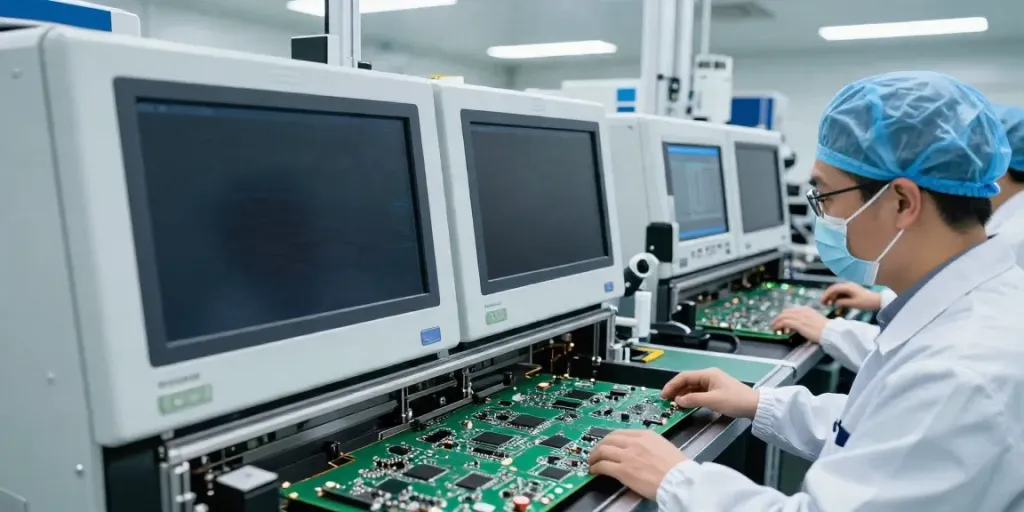
The manufacturing of HDI PCBs involves specialized processes and stringent quality controls. An HDI PCB manufacturer plays a pivotal role in the production cycle, ensuring that each product meets the specifications required by clients while adhering to industry standards.
Key Responsibilities of HDI Manufacturers
HDI manufacturers are tasked with various responsibilities that include:
- Design Collaboration: Working closely with clients to ensure that PCB designs are optimized for manufacturing.
- Quality Control: Implementing rigorous testing protocols to ensure that every PCB produced meets quality standards.
- Production Management: Overseeing the entire manufacturing process from raw material procurement to final assembly.
- Supply Chain Management: Ensuring that materials and components are sourced efficiently and cost-effectively.
Quality Assurance in HDI PCB Manufacturing
Quality assurance is critical in HDI PCB manufacturing. Manufacturers adopt various measures to ensure quality:
- Automated Testing: Using automated systems to check for defects during different manufacturing stages.
- Certification Processes: Obtaining certifications such as ISO to validate their quality management systems.
- Continuous Improvement: Regularly updating processes and technologies to incorporate the latest methodologies and findings.
Technological Innovations in HDI Production
Innovation in technology is paramount for HDI PCB manufacturers. New developments in materials, processes, and design software continually enhance the capabilities of HDI boards:
- Advanced Materials: The introduction of high-performance substrates that improve thermal management and electrical performance.
- 3D Printing: Utilizing additive manufacturing techniques to create complex geometries that are difficult to achieve with traditional methods.
- Software Tools: Enhanced design tools that streamline the process of creating intricate HDI layouts, making it easier for designers to visualize and implement their ideas.
Challenges Faced by HDI PCB Manufacturers
Despite the advantages of HDI PCBs, manufacturers face several challenges that can hinder production and impact the end product.
Supply Chain Issues in PCB Production
The global supply chain for electronic components has become increasingly complex, often leading to delays and increased costs. Dependence on specific components that are scarce or have long lead times can stifle production schedules and affect delivery timelines.
Technological Limitations and Solutions
As technology evolves, manufacturers must keep pace with the latest advancements. Limitations in existing processes can lead to inefficiencies. Manufacturers are addressing these by:
- Investing in R&D: Constantly exploring new techniques and materials to overcome existing limitations.
- Partnerships: Collaborating with technology providers to gain access to cutting-edge innovations.
Addressing Environmental Concerns in PCB Manufacturing
Environmental regulations are becoming stricter, necessitating that manufacturers adapt their practices. Strategies for addressing these concerns include:
- Green Materials: Using eco-friendly materials and processes that reduce waste and toxicity.
- Waste Management: Implementing advanced waste recycling methods that minimize environmental impact.
Future Trends in HDI PCB Manufacturing
As the technology landscape continues to evolve, several trends are emerging that will shape the future of HDI PCB manufacturing.
Emerging Technologies in PCB Design and Fabrication
New technologies are redefining the capabilities and applications of HDI PCBs:
- AI in Design: Artificial intelligence-driven design tools are streamlining the PCB design process, reducing time and errors.
- Flexible PCBs: The growth of flexible PCB technology allows for innovative designs not previously possible, especially in wearable technology.
Anticipated Market Growth and Demand
The demand for HDI PCBs is expected to grow significantly due to several factors:
- Increased Connectivity: The rise of IoT devices requires more intricate and compact circuitry.
- Consumer Electronics Growth: The continuing advancement of mobile and smart devices fuels the need for high-performance, space-efficient PCBs.
Predictions for HDI PCB Advances by 2026
Looking ahead, the HDI PCB industry is set to witness several key advancements:
- Higher Density Connections: Continued advancements in microvia technology will allow for even denser connections.
- Integration with AI: The incorporation of AI into the manufacturing process will enhance efficiency and quality control.
Best Practices for Selecting an HDI PCB Manufacturer
Choosing the right HDI PCB manufacturer is crucial for ensuring the success of electronic projects. When evaluating potential manufacturers, consider the following best practices:
Evaluating Manufacturer Capabilities
Assess the capabilities of manufacturers by reviewing their production processes, technology, and expertise. Key factors to consider include:
- Technology Stack: Ensure that the manufacturer utilizes the latest technologies relevant to HDI PCB production.
- Experience: Look for manufacturers with a proven track record in producing high-quality HDI PCBs.
Key Questions to Ask Potential PCB Suppliers
When engaging with potential suppliers, it’s essential to ask pertinent questions that shed light on their capabilities and processes:
- What quality control measures do you have in place?
- Can you provide references from past clients?
- What is your lead time for production?
- How do you handle supply chain disruptions?
Understanding Pricing Structures and Value
Pricing for HDI PCBs can vary significantly. It is important to understand the structure behind the costs:
- Material Costs: The type of materials used can greatly influence pricing.
- Production Volume: Larger orders often reduce the unit cost due to economies of scale.
- Complexity of Design: More complex designs typically incur higher manufacturing costs due to the additional labor and technology required.