Understanding Bond Cleaning
What Is Bond Cleaning?
Bond cleaning, often referred to as exit cleaning or end-of-lease cleaning, is a specialized cleaning process performed residentially at the end of a tenancy. The objective is to restore the property to its original condition, meeting the cleanliness standards required by landlords to refund the rental bond. This type of cleaning often goes beyond regular housekeeping, emphasizing thoroughness in every corner and surface. Typically, bond cleaning entails deep cleaning appliances, carpets, windows, and even outdoor areas.
Why Is Bond Cleaning Important?
Bond cleaning is crucial for several reasons. Firstly, it ensures tenants receive their entire bond deposit back, which is often a significant sum of money. Neglecting bond cleaning can lead to disputes, deductions from the bond, or even legal action from landlords. Furthermore, a clean property generates positive references, supporting future rental applications or property dealings. To put it simply, bond cleaning plays a pivotal role not only in maintaining good relationships but also in financial prudence.
Bond Cleaning vs. Regular Cleaning
While both bond cleaning and regular cleaning aim to maintain cleanliness, the depth and extent of services differ significantly. Regular cleaning generally involves basic tasks, such as dusting surfaces, vacuuming, and mopping floors. In contrast, bond cleaning is exhaustive, intended to cover every inch of the property, leaving no detail overlooked. This means cleaning areas such as behind appliances, inside cabinets, and even the tiles’ grout lines. The stakes are higher with bond cleaning, often leaving the renters facing potential financial losses if not done thoroughly.
Key Steps in Bond Cleaning
Planning Your Bond Clean
Effective bond cleaning begins with meticulous planning. Skipping this step can lead to overlooked tasks or inadequate cleaning. Start by establishing a timeline that factors in your move-out date and the time available for cleaning. Assess the property and create a checklist of areas that need special attention, such as stain removal, deep cleaning carpets, or washing windows.
Essential Cleaning Supplies
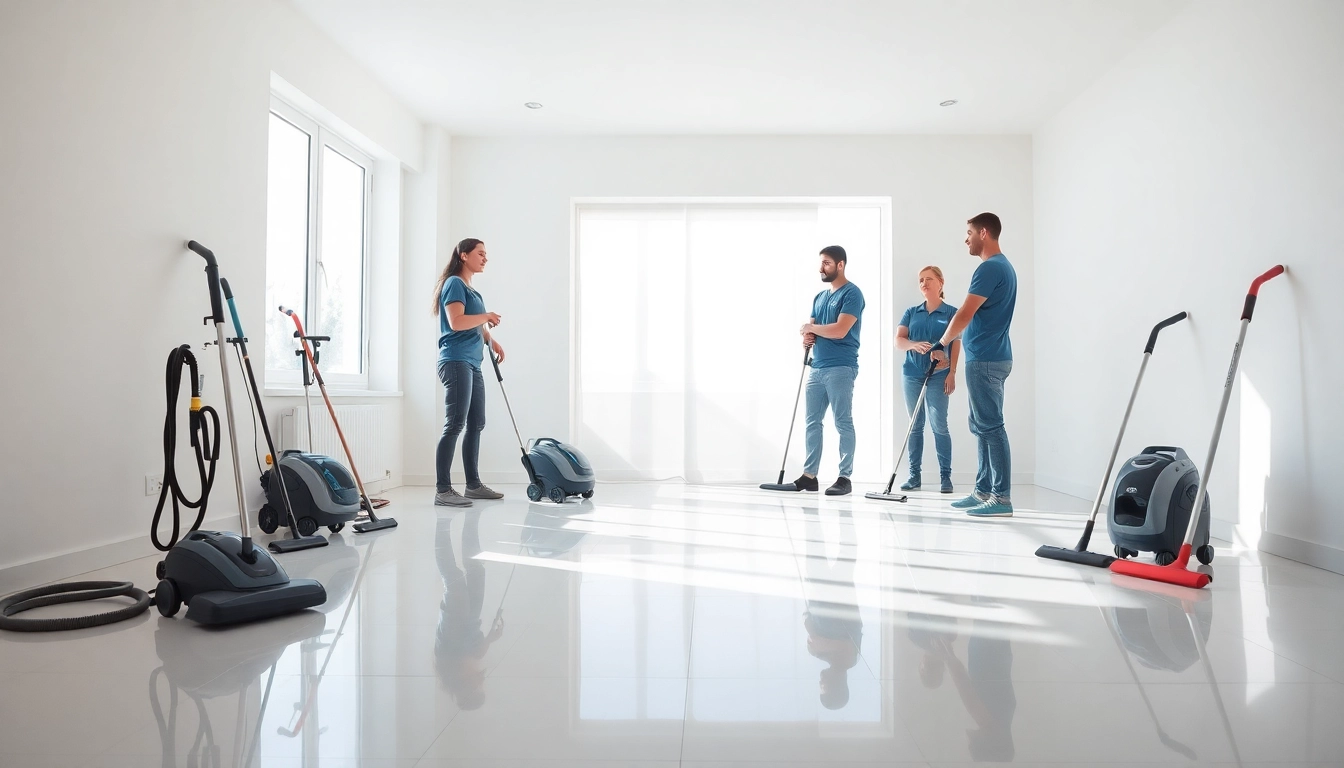
Having the right cleaning supplies makes a world of difference. Essential items include a vacuum cleaner, mop, bucket, various cloths, scrub brushes, and specific cleaning agents like multipurpose cleaners, glass cleaners, and carpet cleaners. Stock up on protective gear, such as gloves and masks, to safeguard against chemicals and allergens. Proper preparation leads to a more comprehensive cleaning experience.
Typical Bond Cleaning Checklist
A typical bond cleaning checklist includes several critical tasks:
- Living Areas: Dust and wipe down surfaces, vacuum carpets, and mop hard floors.
- Kitchen: Clean inside and outside of all appliances, wipe down cabinets, and sanitize countertops.
- Bathrooms: Scrub toilets, sinks, and showers, and disinfect all surfaces.
- Bedrooms: Dust all surfaces and clean under beds, ensuring all closets are empty and cleaned.
- Outdoor areas: Sweep patios, tidy garden areas, and ensure any outdoor furniture is clean.
Common Bond Cleaning Mistakes
Overlooking Hidden Areas
One of the most frequent mistakes in bond cleaning is neglecting hidden areas—such as behind the fridge or under the beds. Landlords often check these spots, and dirt accumulation can result in bond deductions. A thorough inspection before cleaning ensures these areas are included in your cleaning efforts.
Rushing the Process
In the haste of moving, many underestimate the time needed for thorough cleaning. Rushing not only results in poor quality work but can also lead to disputes with landlords. Instead, allocate ample time for cleaning and carry out tasks methodically. Break down cleaning tasks into manageable chunks, and consider starting early to avoid last-minute scrambles.
Using Incorrect Products
Using the wrong cleaning products can do more harm than good, potentially damaging surfaces or leaving residues behind. It's essential to read labels and determine the appropriate product for each surface. For example, strong chemicals can tarnish wooden surfaces, while improper use of bleach can fade fabrics. Always opt for gentle cleaning agents where possible, especially when dealing with delicate areas.
Preparing for a Bond Clean
Organizing Your Space
Before your bond clean, ensure that all personal belongings are removed from the property. A clean, organized space allows for a more thorough cleaning process and reduces clutter hinderances. Organize furniture and items in a way that grants easier access to areas needing cleaning. Take inventory to ensure nothing is mistakenly left behind.
Communication with Your Landlord
Maintaining open lines of communication with your landlord is paramount. Informing them of the cleaning schedule can alleviate misunderstandings. Also, clarify expectations regarding clean standards to ensure you deliver a cleaning job that meets or exceeds their criteria. Discussing anything that may require special attention can also be advantageous.
Scheduling Your Cleaning Appointment
Timing your cleaning well is essential. Many tenants find it useful to engage professional cleaning services to ensure a top-notch job. If hiring professionals, book your appointment in advance and coordinate with your moving schedule to avoid conflicts. If opting for a DIY clean, select days that afford you sufficient time and energy to tackle the tasks at hand.
Post-Bond Cleaning Follow-Up
Inspecting Your Cleaned Space
After completing the bond clean, conduct a thorough inspection. Walk through the entire property, checking against your checklist and assessing whether every area meets your standards. Consider inviting a friend or family member to provide unbiased feedback. This step is crucial for ensuring all tasks have been completed satisfactorily before landlords arrive for their inspections.
Dealing with Disputes
If disputes arise regarding the bond return, approach the situation with professionalism. Document all cleaning efforts through photographs or checklists to provide evidence of cleanliness. Communicate openly with your landlord to understand their concerns and how they might be resolved. Many disputes can be negotiated, but having proof will support your case greatly.
Getting Your Bond Money Back
Receiving your bond money back hinges significantly on your cleaning performance. If you've followed the necessary criteria and maintained clear communication with your landlord, you’re likely to see a smooth refund process. If any deductions are made, request a breakdown to understand their basis and prepare for negotiation.
FAQs About Bond Cleaning
What is included in a bond clean?
A bond clean generally includes cleaning appliances, bathrooms, kitchens, floors, windows, and outdoor areas. It’s a detailed process aimed at restoring a property’s original condition.
How long does a bond clean take?
The duration of a bond clean varies based on the property size and condition. Typically, it takes 4-10 hours for a full clean, depending on depth and thoroughness.
Can I do my bond cleaning myself?
Yes, many opt to conduct bond cleaning themselves. However, it's important to follow a detailed checklist to ensure thoroughness and meet landlord expectations.
What happens if my bond clean is inadequate?
If the bond clean is deemed inadequate, landlords may withhold part or all of your bond for cleaning costs. Follow up with them and negotiate if required.
Is professional bond cleaning worth it?
Hiring professionals can be worth it, especially if time is limited or the task seems overwhelming. They bring expertise, ensuring a high standard of cleanliness that meets rental requirements.