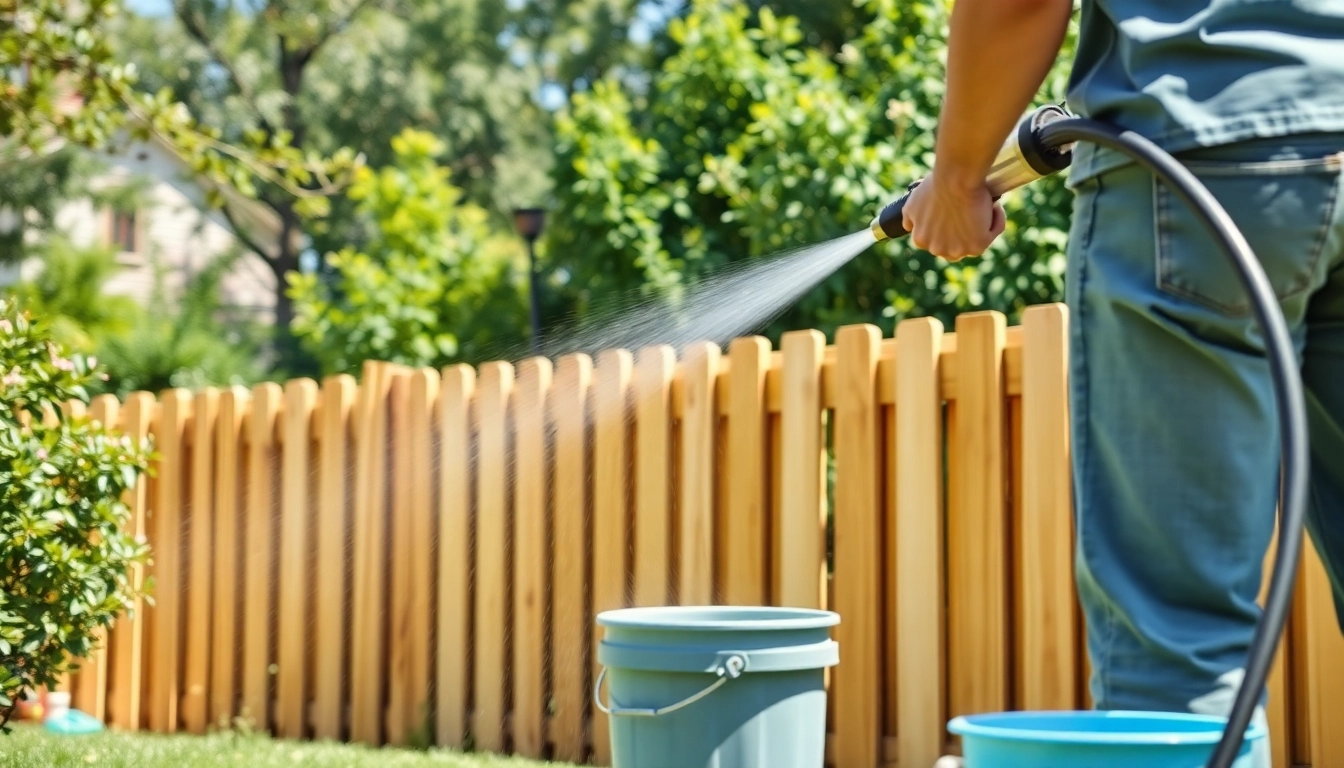
Understanding Fence Cleaning: Importance and Benefits
Fencing is an essential part of many homes, providing privacy, security, and aesthetic value. However, over time, fences can accumulate dirt, grime, mold, and mildew, affecting their appearance and longevity. Hence, regular Fence Cleaning can dramatically improve both the look and longevity of your fence. Understanding the importance of this practice and its benefits will help you maintain your property's curb appeal and structural integrity.
Why Regular Fence Cleaning Matters
Neglecting your fence can lead to significant deterioration, which might require costly repairs or replacements. Regular cleaning helps remove harmful elements like mold, mildew, and algae that can degrade the material of your fence over time. Moreover, keeping your fence clean aligns with overall property maintenance, creating an inviting environment for both you and your guests.
Impact on Aesthetics and Property Value
A clean fence immediately boosts the aesthetic appeal of your property. Whether you have a wooden, vinyl, or metal fence, freshness can transform your outdoor experience. This attractiveness can lead to increased property value, particularly if you are considering selling your home. Prospective buyers often look for well-maintained exteriors, and a polished fence can serve as a great first impression.
Preventing Damage and Extending Lifespan
Regular cleaning keeps your fence free from harmful growths like mold or rust, ultimately preventing long-term damage. For example, untreated wood fences may rot, while metal fences may develop rust and corrosion. By investing time in cleaning, you can extend the lifespan of your fence significantly, saving you money in the long run.
Common Types of Fences and Their Cleaning Needs
Wooden Fences: Unique Care Considerations
Wooden fences are susceptible to weather elements and biological growths. They typically require gentle cleaning methods to prevent damage. When cleaning wooden fences, avoid high-pressure washing, which can strip the wood or cause splintering. Instead, use a mixture of mild soap and water, alongside soft brushes to scrub away dirt without causing harm.
Vinyl and Composite Fences: Best Practices
Vinyl and composite fences are generally easier to clean than wood, as they resist mold and mildew. However, over time, they can accumulate dirt and grime, leading to discoloration. A mixture of non-abrasive detergent and water is ideal for these materials. A pressure washer can be used effectively on low settings, ensuring that you do not damage the surface.
Metal Fences: Protecting Against Rust and Corrosion
Metal fences, such as those made of aluminum or steel, need regular cleaning to prevent rust. Similar to wood, high-pressure washing should be approached with caution to avoid damage. For best results, use a non-corrosive cleaner designed specifically for metal surfaces. Wipe down with a soft cloth or sponge, and apply a protective coating annually to prevent rust.
Tools and Solutions for Effective Fence Cleaning
Essential Cleaning Tools for DIY Owners
When tackling Fence Cleaning, the right tools can make a significant difference. Essential tools include:
- Soft-bristle brushes for scrubbing
- Pressure washer (set to low pressure if applicable)
- Buckets for mixing cleaning solutions
- Non-abrasive pads for delicate finishes
- Garden hoses for rinsing
Homemade vs. Commercial Cleaning Solutions
Choosing between homemade and commercial cleaning solutions can impact both effectiveness and cost. Homemade options, such as vinegar solutions or soap and water mixtures, are eco-friendly and inexpensive. However, commercial cleaners may contain specialized ingredients that effectively break down tough stains or protect against mold. Always consider the type of fence material before selecting a cleaning method.
Eco-Friendly Options for Sustainable Cleaning
With increasing awareness about sustainability, many environmentally friendly cleaning options are available. For wooden and vinyl fences, consider using baking soda mixed with vinegar or a mild soap solution. These options do not harm the environment and save you from chemicals that might affect your garden or surrounding areas.
Step-by-Step Guide to Clean Your Fence
Preparation and Safety Precautions
Before embarking on your cleaning journey, it’s essential to prepare adequately. Begin by gathering all tools and cleaning solutions. Wear protective gear such as gloves, goggles, and a mask to safeguard against allergens or irritants. Identify any hazards within the vicinity, including electrical lines or garden plants you wish to protect.
Detailed Cleaning Process for Various Fence Types
1. Wooden Fences: Mix mild soap with water. Wet the fence before scrubbing with a soft-bristle brush. Rinse thoroughly with water.
2. Vinyl Fences: Create a solution using a mild non-abrasive detergent. Apply the solution with a soft brush. Rinse to remove any residue.
3. Metal Fences: Use a non-corrosive cleaner on a cloth. Wipe down the entire surface and ensure to dry off any moisture to avoid rust formation.
Finishing Touches: Sealing and Maintenance
Once your fence is cleaned, consider a protective sealant, especially for wooden varieties, to lock in the cleanliness and prevent growths. Regular maintenance checks after cleaning ensure longevity and upkeep, allowing you to enjoy your fence hassle-free.
FAQs on Fence Cleaning
How much does it cost to have a fence cleaned?
The cost of cleaning varies based on size and type. On average, it can range from $30 to $800 depending on the area covered and methods used.
Can I clean my fence without a pressure washer?
Yes, you can clean your fence effectively using a bucket, brush, and a homemade cleaning solution. Pressure washers are not necessary for all materials.
What homemade solutions are effective for cleaning?
Options include vinegar mixed with water, baking soda paste, or a simple soap mixture. These are effective and eco-friendly alternatives.
How often should I clean my fence?
Generally, cleaning your fence once a year is advisable. However, this might increase in humid climates where mold can grow more rapidly.
Are there any risks involved with DIY fence cleaning?
Risks include potential damage to the fence material or personal injuries. Always wear protective gear and adhere to safety guidelines while cleaning.