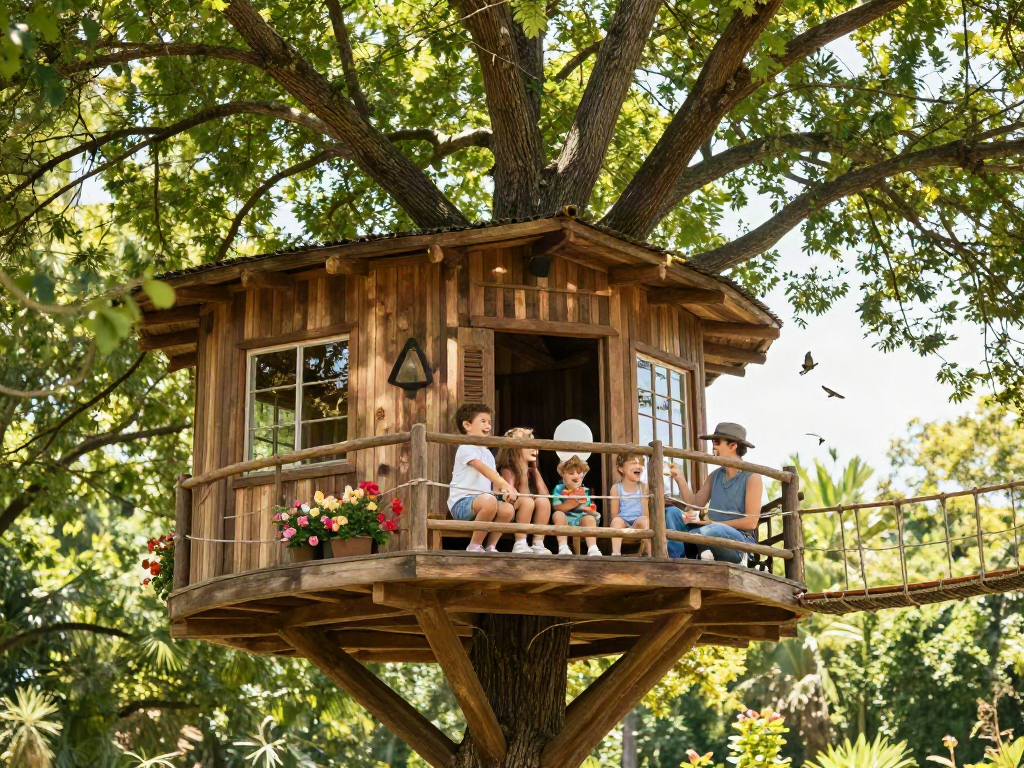
Understanding Tree House Life: The Appeal and Benefits
The concept of living in a tree house is not merely a childhood dream; it has transformed into a unique lifestyle that reconnects individuals with nature while providing a sense of adventure and tranquillity. As urbanisation increases, many people are searching for ways to escape the hustle and bustle of city life, and tree houses offer a serene haven among the branches. For anyone interested in exploring this enchanting world, tree house life encompasses everything from design to functionality, making it a compelling option for those seeking refuge in the trees.
What is Tree House Living?
Tree house living involves creating or residing in elevated structures built in trees, designed to blend seamlessly with the surrounding environment. These homes can vary in complexity, from simple wooden shacks to luxurious, fully equipped residences with modern amenities. Unlike traditional homes, tree houses provide a unique vantage point of the landscape, enabling inhabitants to enjoy panoramic views and a sense of intimacy with nature.
Benefits of Living in a Tree House
- Connection to Nature: Living in a tree house fosters a direct connection to the outdoors, allowing residents to experience wildlife and seasonal changes up close.
- Reduced Environmental Impact: Many tree house designs utilize sustainable materials and construction techniques, promoting eco-friendliness and biodiversity.
- Stress Relief: Being in nature has been scientifically proven to reduce stress levels, improve mood, and enhance overall well-being.
- Unique Lifestyle: Tree houses create a whimsical living space that stands out, offering a lifestyle unlike any other.
The Connection Between Nature and Well-being
Recent studies highlight how spending time in nature significantly impacts mental health. Tree houses, perched among the leaves, provide a unique perspective of the world that can lead to heightened mindfulness and appreciation for the environment. Whether you are sipping coffee on a balcony or enjoying an evening breeze, the serene sounds of nature contribute to a more peaceful mental state, making tree house living not just a novelty but a pathway to improved health and happiness.
Designing Your Dream Tree House: Key Considerations
Creating the perfect tree house involves careful planning and consideration. The design process should reflect personal aesthetic while also taking into account the functional requirements of the space. Various factors, such as location, tree type, and desired features, play crucial roles in shaping the final design.
Choosing the Right Location and Tree Type
The first step in designing a tree house is selecting an appropriate location. It’s vital to choose trees that are healthy, sturdy, and capable of supporting the weight of the structure. Indigenous species like oak, maple, and spruce are generally ideal candidates due to their robustness. Additionally, consider the proximity to other trees for aesthetic appeal and support for rope bridges or additional structures.
Essential Features of a Functional Tree House
A well-designed tree house should combine aesthetics with practicality. Some essential features to consider include:
- Accessibility: Consider installing ladders, bridges, or spiral staircases for safe and easy access to the tree house.
- Windows: Large windows not only enhance the views but also ensure ample natural light.
- Utilities: While some tree houses are rustic, incorporating electricity and plumbing can create a more comfortable living situation.
- Outdoor Spaces: Balconies or decks can extend living space and provide areas for relaxation and entertainment.
Safety Measures and Maintenance Tips
Safety is paramount when constructing and living in a tree house. Regular inspections are crucial to ensure structural integrity. Here are some tips to maintain safety:
- Check for signs of decay in the trees and structure.
- Install safety railings and non-slip surfaces where necessary.
- Ensure proper drainage to prevent water accumulation around the base.
- Keep the area around the tree house clear of debris and fire hazards.
Building a Tree House: Step-by-Step Guide
Building a tree house can be a rewarding project, whether it’s for personal use or for children. With the right approach, you can create a safe and delightful retreat.
Planning and Permits: What You Need to Know
Before you start building, check local regulations regarding tree house construction. Some areas require permits, especially if the structure is intended for residential use. It’s also wise to inform neighbours and consider their perspectives on your project.
Materials and Tools for Construction
Choosing the right materials is essential for longevity and safety. Opt for treated wood and weather-resistant materials to withstand the elements. Basic tools needed for construction include:
- Power saws
- Drills
- Measuring tape
- Level
- Safety gear
Construction Techniques for Stability and Safety
Start by preparing the site and ensuring a stable foundation. Use sturdy beams to distribute weight evenly and attach the structure securely to the tree. Consider using brackets and bolts designed for tree houses for optimal stability. Additionally, ensure that safety is prioritised throughout the construction process.
Tree House Lifestyle: Integrating Nature into Daily Life
Living in a tree house is about more than just having a unique home; it’s about embracing a lifestyle that encourages outdoor living and a connection with nature. By designing spaces that celebrate the outdoors, you can enhance your daily routine.
Creating Outdoor Spaces for Relaxation and Play
Outdoor areas are essential for enjoying the surroundings. Consider constructing a tree deck or hammock area where you can unwind or read. Incorporating natural elements such as gardens or water features can also enhance relaxation.
Gardening and Sustainability in Tree House Living
Many tree house dwellers incorporate small gardens, vertical plantings, or even hydroponics. This not only beautifies the space but also contributes to sustainability and the local ecosystem, offering fresh produce right from your tree house.
Fostering Family Bonding through Outdoor Activities
Tree houses can act as a central point for family activities, encouraging games, storytelling, and exploration. Sharing the experience of building and maintaining the tree house fosters relationships and creates lasting memories.
Future Trends in Tree House Life: What's Next?
The tree house industry is evolving, with exciting innovations emerging that reflect contemporary needs and environmental concerns.
Innovations in Eco-Friendly Tree House Designs
As sustainability becomes increasingly important, tree house designs are incorporating eco-friendly materials and energy-efficient technologies. From solar panels to rainwater harvesting systems, future tree houses will aim to leave a minimal environmental footprint.
Community and Social Impact of Tree House Living
Tree house living can encourage community engagement as these structures often inspire creativity and collaboration. Community tree houses can serve as gathering spaces for various activities, promoting social bonds amongst neighbours.
The Role of Tree Houses in Sustainable Tourism
Tree houses are becoming popular accommodations in eco-tourism, offering unique experiences that allow guests to immerse themselves in nature while promoting conservation efforts in local environments. This trend provides an avenue for tree house builders to invest in sustainable tourism projects.
How long do treehouses last?
With proper maintenance, tree houses can last for many years, often exceeding a decade. Regular inspections and timely repairs are crucial in extending their lifespan.
Can you live in a treehouse full time?
Yes, many individuals choose to live in tree houses full time. With the proper design and amenities, they can provide a comfortable and sustainable living space.
What are the best materials for tree houses?
Weather-resistant woods like cedar or redwood are often preferred due to their durability. Additionally, using treated lumber enhances longevity and resilience against pests.
Are tree houses eco-friendly?
Tree houses can indeed be eco-friendly, especially if made with sustainable materials and minimal impact construction techniques that preserve the surrounding environment.
What are the legal considerations for building a tree house?
Legal considerations vary by location but often include zoning laws, building permits, and adherence to safety regulations. It’s essential to research local legislation before beginning your project.